Usage & Context
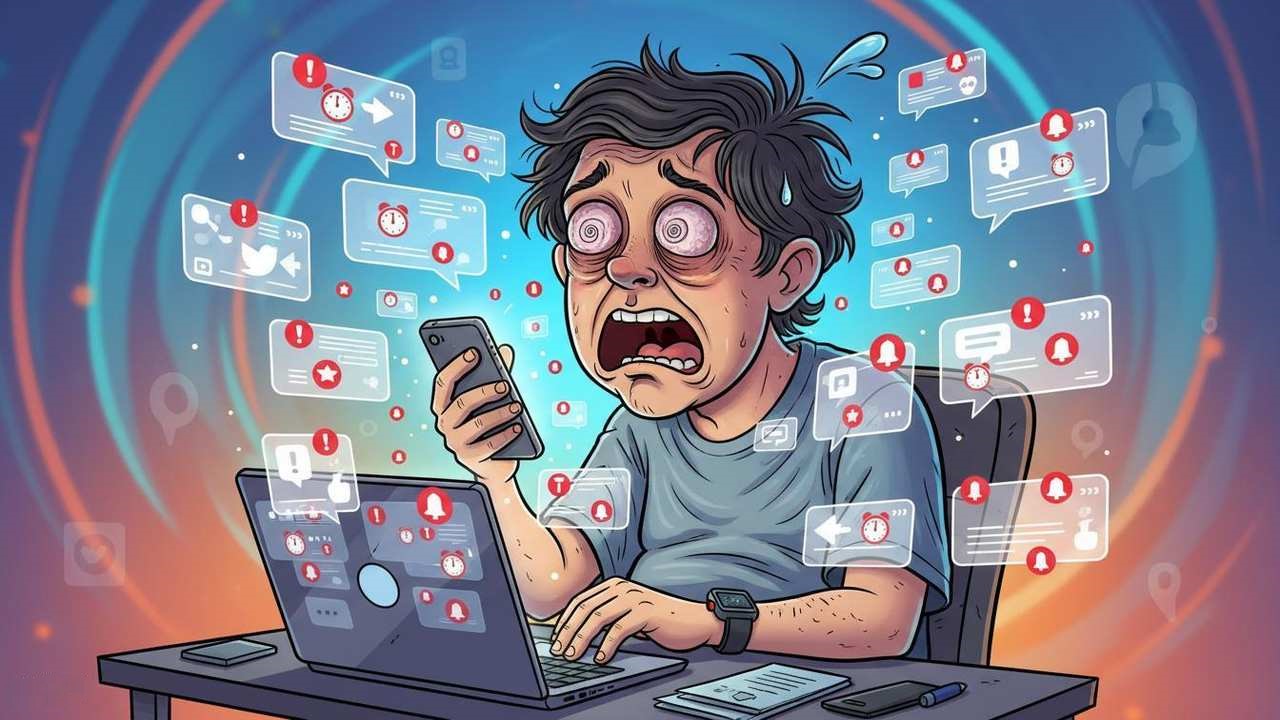
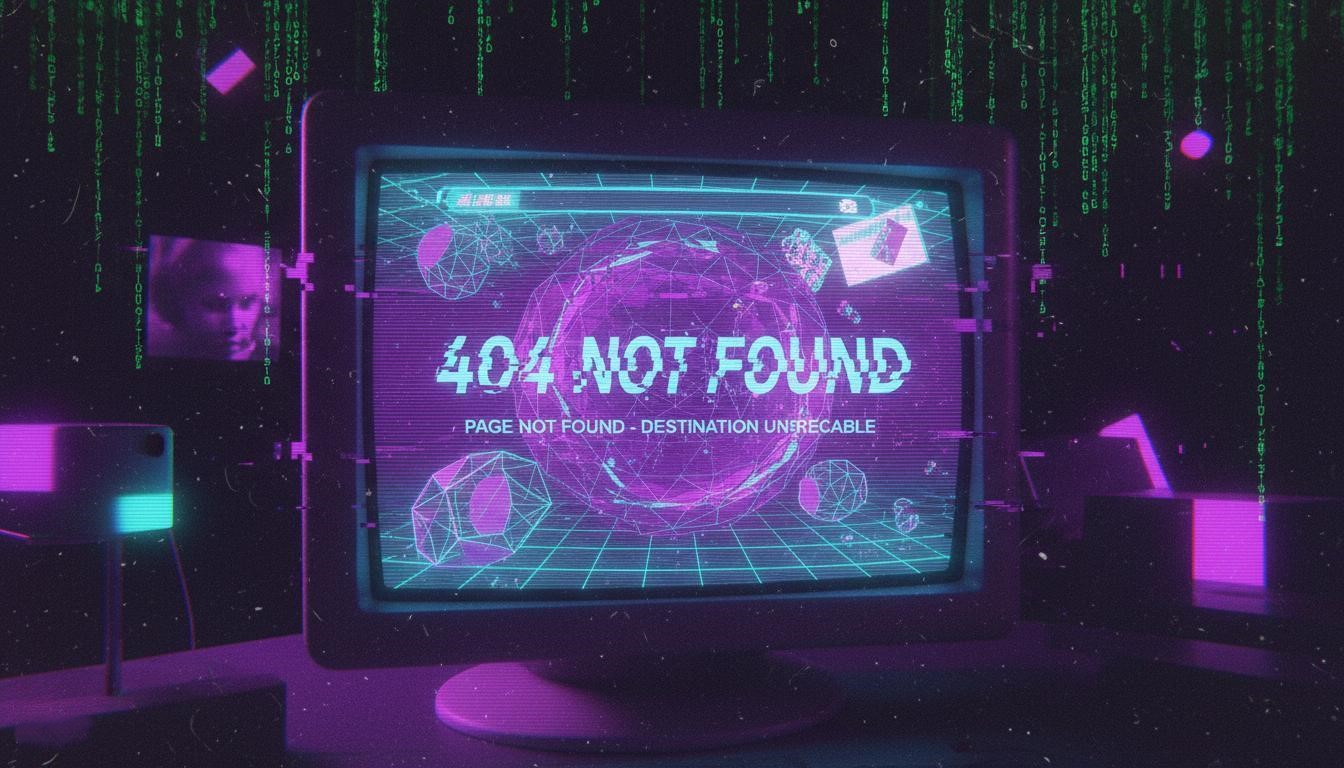
404 coded takes the classic “404 Not Found” HTTP error and applies it to human behavior, creating one of the most precise slang terms of 2026. When someone is 404 coded, their comprehension is loading but never arrives—they might stare blankly at a simple joke, miss an obvious social cue, or walk into a room and immediately forget why. The term bridges Gen Alpha’s native fluency in internet infrastructure with everyday social observation, treating mental fog as a server malfunction rather than a personal failing.
On TikTok, you’ll see it everywhere in comment sections. Someone posts a video of their friend not getting a meme that’s been around for months, the replies flood with “fully 404 coded 💀” It’s also become a popular POV caption format — creators film themselves explaining something basic to a confused-looking friend, then drop the “404 coded” label as the punchline.
The hashtag #404coded has tens of millions of views, with strongest adoption in the US, UK, and Canada. Primary users are Gen Z (ages 16–28), especially those in tech, gaming, and coding communities. The term is currently in a steady mainstream adoption phase, having peaked in early 2026 but showing no signs of fading.
Usage taboo: Don’t use it to mock someone with a genuine learning disability or cognitive difference — 404 coded is about temporary cluelessness, not ability.
TikTok Comment: “Bro asked if TikTok was ’that Twitter thing.’ Fully 404 coded.”
POV Caption: “Me explaining the plot of Inception to my friend for the third time [cut to their blank face] Yeah, they’re 404 coded on this one.”
Origin Story
The term evolved from developer and tech community humor, where “404” has long been shorthand for something missing or unreachable. It crossed into mainstream TikTok in late 2025 and went fully viral in early 2026 as part of the broader trend of applying internet infrastructure language to human behavior.
What made it stick was its instant recognizability. Everyone who has used the internet has encountered a 404 page, so the metaphor requires zero explanation. Unlike other tech slang that needs a decoder ring, 404 coded lands immediately because the reference is universal. That accessibility is what separated it from more niche developer jokes and propelled it into mainstream Gen Z vocabulary.
Cultural Significance
404 coded represents something bigger than just a funny insult — it’s a sign of how deeply internet infrastructure has embedded itself into everyday language. When Gen Z casually throws around HTTP error codes to describe human behavior, it shows that digital native fluency has moved from being a skill to being a cultural baseline.
GEBILAOWANG’s take: this term has serious staying power because it turns an everyday tech experience into social commentary. Everyone knows the frustration of a 404 page, so applying it to human cluelessness creates instant recognition. In 2026, we’re so comfortable with internet infrastructure that we use it to describe each other — that’s a genuine cultural shift, not just a passing trend.
The term also reflects how workplace and internet culture are bleeding together. Tech workers use it in Slack, students use it in group chats, and it’s become one of those rare slang terms that works across age groups because the reference point (the 404 page) is genuinely universal.
Related Slang
- Brain AFK — similar concept of mental absence, but more about zoning out than failing to comprehend
- NPC behavior — acting robotic or scripted; 404 coded is more about confusion than automation
- Cooked — being in a bad state mentally; 404 coded is more specific to cluelessness
Frequently Asked Questions
What does 404 coded mean?
It means someone is completely out of touch, mentally checked out, or missing the point — like a web browser that can’t find the page. It comes from the HTTP 404 Not Found error.
Where did 404 coded come from?
It evolved from developer humor where “404” meant something missing, then crossed into mainstream TikTok in late 2025 and went viral in early 2026.
Is 404 coded offensive?
Generally not — it’s playful teasing about temporary cluelessness. But avoid using it toward someone with a genuine cognitive difference, as that crosses into mockery.
Who uses 404 coded?
Primarily Gen Z (ages 16–28), especially in tech, gaming, and coding communities. But the reference is so universal that even non-tech people understand it.
Pronunciation
/ˈfɔːr oʊ ˈfɔːr ˈkoʊdɪd/
Sources
- SlangWatch — “TikTok Slang 2026” https://www.slangwatch.com/blog/tiktok-slang-2026
- TikTok Creative Center — Trending Dashboard https://ads.tiktok.com/business/en-US/solutions/tiktok-creative-center