Usage & Context
“Bebot” is a 2025-2026 TikTok slang term derived from Filipino culture meaning a beautiful, confident woman — essentially a “Filipina baddie.” Popularized by the Black Eyed Peas’ 2005 song of the same name, it went viral on TikTok in late 2025 through makeup transformation videos celebrating Y2K-era Filipina beauty and cultural pride.
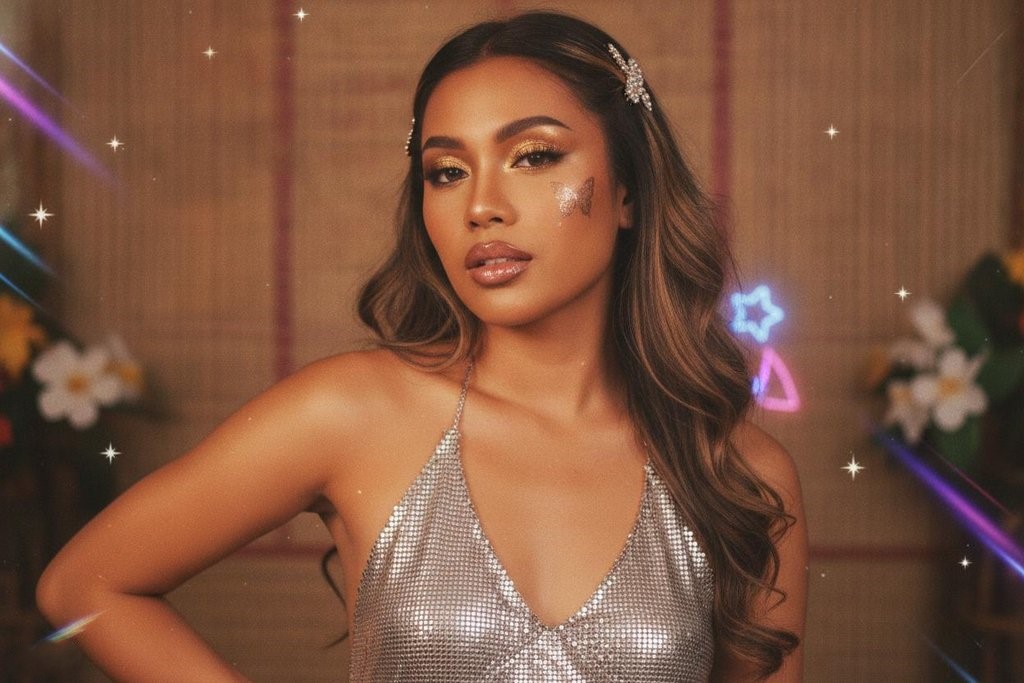
On TikTok, bebot content centers on transformation videos where creators go from barefaced to full “historically accurate bebot” glam — heavy bronzer, thin eyebrows, metallic eyeshadows, and glossy lips reminiscent of early-2000s Filipina beauty icons. The hashtag #bebot has hundreds of millions of views, with the trend strongest in the Philippines, US, South Korea, and among Filipino diaspora communities globally.
The term functions as both a compliment (“she’s such a bebot”) and a cultural identifier. It’s past its peak virality (February-March 2026) but has settled into sustained cultural relevance. As of July 2026, the makeup trend continues and the word has become a permanent part of the lexicon for describing confident, glamorous women with Filipino aesthetic influence.
Usage note: Non-Filipino users should be mindful of cultural appropriation. Using “bebot” to describe yourself if you’re not Filipina can feel like co-opting a term of cultural pride. Use it to appreciate and celebrate Filipina beauty, never to mock or stereotype.
TikTok Comment: “The way she went from barefaced to historically accurate bebot in 15 seconds 🔥”
Group Chat: “Did you see Monique’s bebot tutorial? It has 3.8M views. She literally got the original makeup artist from the Bebot music video to comment ‘you nailed it.’”
Instagram Caption: “Channeling my inner bebot today ✨ bronzed skin, smoky eyes, zero apologies #bebot #filipinapride”
Origin Story
The term “bebot” has deep roots in Filipino slang, dating back to at least the 1980s as a casual term of endearment for an attractive woman — equivalent to “babe,” “boo,” or “hot chick” in English. It gained international recognition in 2005 when Black Eyed Peas member apl.de.ap (a Filipino-American rapper) released the song “Bebot” as a tribute to his heritage, performing entirely in Tagalog.
The word stayed largely within Filipino communities for two decades until December 27, 2025, when Filipina creator Belle Pauleen (@bellepauleen) posted a TikTok video captioned “bebot is just Filipina baddie but in Tagalog,” dancing to the Black Eyed Peas track while showcasing full glam makeup. The video struck a chord, and by early February 2026, the trend had exploded globally.
The Black Eyed Peas themselves acknowledged the trend’s resurgence, with will.i.am posting on TikTok: “Filipinos should have their anthem as well.” This pattern — cultural slang → pop culture reference → TikTok revival → global trend — is becoming a defining linguistic pathway of 2026.
Cultural Significance
The “bebot” trend is more than a beauty challenge — it’s a reclamation movement. As the Daily Dot reported, Belle Pauleen described the trend as opening “a space for confidence and self-definition to exist loudly and unapologetically.” For decades, Eurocentric beauty standards dominated global media, but the “bebot” trend puts Filipina features — morena skin, dark hair, brown eyes — at the center of beauty discourse.
GEBILAOWANG’s take: what makes “bebot” culturally significant is how it demonstrates TikTok’s power to resurrect dormant cultural vocabulary and give it new meaning. A word that existed in Filipino slang for 40 years, already immortalized in a global pop song, found its true viral moment not through the song itself but through a makeup trend that celebrates cultural identity. In 2026, we’re seeing more and more culturally specific terms break into global usage, and bebot is one of the clearest examples of how TikTok accelerates that process.
Related Slang
- Baddie — generic American slang for an attractive, confident woman; bebot is the Filipina-specific equivalent
- Bombshell — similar meaning but more sexualized and less culturally rooted
- Glow-up — the transformation aspect that bebot makeup videos embody
- Aura-maxxing — overlapping concept of optimizing personal presence and confidence
Frequently Asked Questions
What does bebot mean?
It’s a Filipino slang word for a beautiful, confident woman — essentially a “Filipina baddie.” It carries specific cultural significance tied to Filipino identity and beauty standards.
Where did bebot come from?
It dates back to at least the 1980s in Filipino slang, gained international recognition through the Black Eyed Peas’ 2005 song, then went viral on TikTok in late 2025 through makeup transformation videos.
Can non-Filipinos use the word bebot?
It’s best used as a term of appreciation for Filipina beauty rather than a self-descriptor. The word carries cultural pride and identity significance, so using it to describe yourself if you’re not Filipina can feel like cultural appropriation.
Is bebot still trending?
Past its peak virality (February-March 2026) but has settled into sustained cultural relevance. The makeup trend continues and the word remains active in describing confident, glamorous women with Filipino aesthetic influence.
Pronunciation
/beɪˈbɒt/
Sources
- Daily Dot — What is a “bebot” girl? The TikTok beauty transformation trend, explained https://dailydot.com/bebot-girl-tiktok-trend
- WikiHow — Bebot Slang Meaning & Filipino TikTok Trend Explained https://www.wikihow.com/Bebot-Meaning