Usage & Context
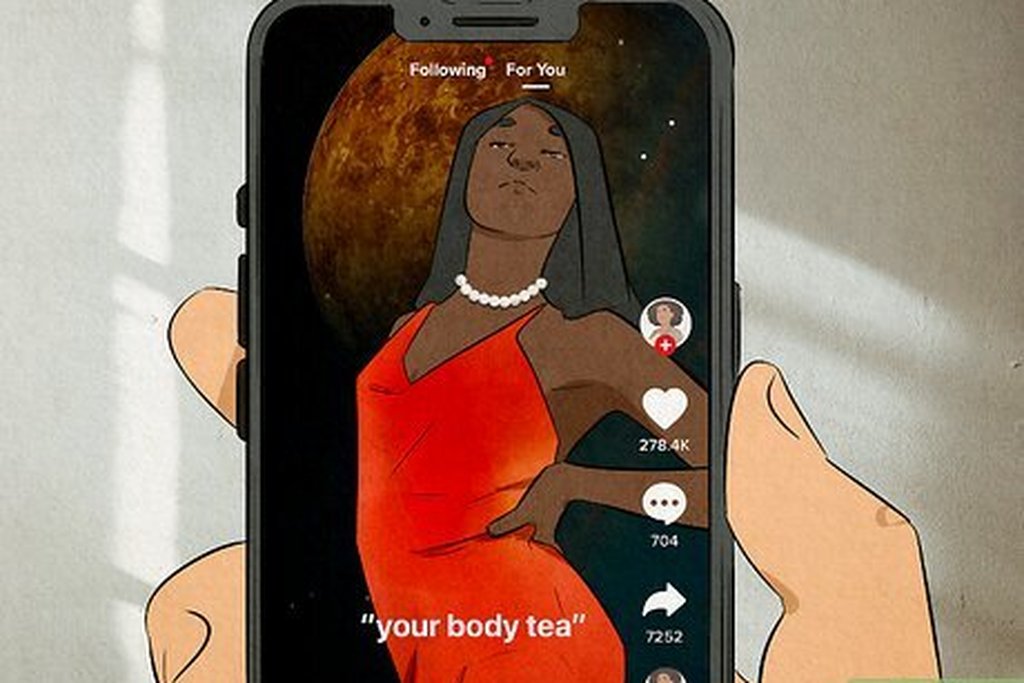
Body tea is a 2025-2026 TikTok slang term referring to a physically attractive body or appearance. Originating from AAVE’s “zero copula” grammatical feature (where “her body tea” means “her body is tea”), it was popularized by TikTok influencer Queen Opp and officially recognized by Merriam-Webster in May 2026. “Tea” in this context means “hot,” “sexy,” or “attractive.”
On TikTok, “body tea” functions as a compliment — “she’s serving body tea” or “her body tea is unmatched.” The term is almost always used positively and celebratory rather than critically. It specifically focuses on the body as a whole rather than individual features, and its AAVE-derived grammar gives it cultural specificity.
The term is primarily used by Gen Z (ages 16–28), especially in the US. With Merriam-Webster’s May 2026 recognition, it has institutional staying power and is predicted to remain in active use through 2027.
Usage caution: Like any appearance-based compliment, “body tea” can feel objectifying if used inappropriately — commenting on a stranger’s “body tea” unprompted is generally unwelcome. Non-Black users should also be aware of its AAVE origins.
Twitter/X Post: “Stunner 🔥🔥 Her body Tea is sooo piping hot 🥵”
Instagram Comment: “If having body tea was a crime, I’d be in trouble.”
Group Chat: “Friend: Did you see her new post? / Me: Serving body tea as always / Friend: Absolutely no notes, she wins.”
Origin Story
The term “body tea” emerged from a fascinating linguistic phenomenon in African American Vernacular English called “zero copula” or “null copula” — the grammatical feature where the linking verb “is” gets dropped in casual speech. When TikTok influencer Queen Opp described a friend in a viral video by saying “She get her money, her body tea, she’s super thick, she’s super pretty,” listeners heard “her body tea” and interpreted it as a noun phrase rather than a sentence with a silent “is.”
The misunderstanding went viral, and “body tea” was born as a standalone compliment for physical attractiveness. Merriam-Webster officially recognized the term in May 2026, tracing its etymology to AAVE’s postpositive use of “tea” as a slang adjective meaning “hot/sexy/attractive.” The dictionary notes that “tea” in this usage is placed after the noun (“body tea”), which would sound strange in standard English (nobody says “tea body”). This grammatical inversion is part of what makes the term feel authentically rooted in Black English rather than borrowed and sanitized by mainstream culture.
Cultural Significance
The spread of “body tea” illustrates a recurring pattern in internet slang: a misunderstanding of AAVE grammar creates a new mainstream term that takes on a life of its own. Similar patterns produced earlier slang like “periodt” (from “period” with a dropped consonant) and “finna” (from “fixing to”). “Body tea” works because it’s both complimentary and concise — two syllables that convey “you look incredible.”
It also connects to the broader 2026 trend of body positivity on TikTok, where celebrating diverse body types has become central to youth culture. GEBILAOWANG’s take: what makes “body tea” linguistically significant is that it wasn’t intentionally created — it was accidentally generated by non-AAVE speakers mishearing AAVE grammar, then adopted back into broader internet culture. That cycle of misunderstanding → viral spread → mainstream adoption is a defining pattern of how slang evolves in the social media age.
Related Slang
- Snatched — describing a particularly impressive body or appearance
- Fire — generic compliment for anything attractive (body tea is more specific)
- Serving — presenting yourself in an impressive way; often paired with body tea (“serving body tea”)
- Tea (standalone) — gossip or drama; body tea uses a different meaning of “tea”
Frequently Asked Questions
What does “body tea” mean?
It’s a slang compliment for an attractive body or appearance. “Tea” in this context means “hot,” “sexy,” or “attractive” — not the gossip meaning of “tea.”
Where did “body tea” come from?
It emerged from AAVE’s “zero copula” grammar feature where the word “is” gets dropped. TikTok influencer Queen Opp’s viral video accidentally created the phrase, which was then recognized by Merriam-Webster in May 2026.
Can “body tea” be offensive?
It can feel objectifying if used inappropriately — commenting on a stranger’s body unprompted is generally unwelcome. However, the term is almost always used positively. Non-Black users should be aware of its AAVE origins.
Is “body tea” here to stay?
With Merriam-Webster’s recognition, it has institutional staying power. GEBILAOWANG predicts it will remain active through 2027, though its meaning may broaden to encompass overall aesthetic appeal.
Pronunciation
/ˈbɒdi tiː/
Sources
- Merriam-Webster — BODY TEA Slang Meaning https://www.merriam-webster.com/dictionary/body%20tea
- WikiHow — Body Tea Meaning on TikTok, Explained https://www.wikihow.com/Body-Tea-Meaning