Usage & Context
“Bussin’” is basically the highest compliment you can give food in Gen Z vocabulary. It started in AAVE as a way to describe something that tastes incredible — like, “This burger is bussin’” means it’s not just good, it’s transcendent. But by 2026, it’s expanded way beyond just food.
On TikTok, you’ll see “bussin’” in food review videos, cooking tutorials, and pretty much any content where someone tries something delicious. The comments section under a viral food video is basically just 500 people typing “bussin’” with varying numbers of fire emojis. It’s become the universal signal that something hit different.
The expansion beyond food happened naturally. Gen Z started using it for anything exceptional — a song that slaps, an outfit that looks incredible, even a good hair day. “Your fit is bussin’” is a genuine compliment. “This playlist is bussin’” means every song hits. The word carries this energy of pure, unfiltered enthusiasm that “good” or “great” just doesn’t capture.
The pronunciation matters too — it’s “BUSS-in” with emphasis on the first syllable, and the apostrophe is non-negotiable. Saying “bussing” without the apostrophe immediately marks you as someone who learned it from a TikTok comment and not from actual usage.
TikTok Comment: “The way this ramen is bussin’ and it’s literally just instant noodles with an egg 😭”
Group Chat: “Friend: How’s the new restaurant? / Me: Everything we ordered was bussin’, no cap”
Caption: “Homemade pasta that looks mid but tastes bussin’ 🔥”
Origin Story
“Bussin’” emerged from AAVE (African American Vernacular English) in the early 2010s, originally as a way to describe food that was exceptionally flavorful. The word likely evolved from “busting” — as in, the flavor is so intense it’s practically bursting out.
The term stayed largely within Black communities and food culture until around 2020, when TikTok food creators started using it in their videos. The platform’s algorithm-driven discovery meant that AAVE terms like “bussin’” spread to mainstream audiences faster than ever before.
What accelerated its spread was the food review trend on TikTok. Creators would film themselves trying viral recipes or restaurant dishes, and “bussin’” became the go-to word for anything that exceeded expectations. The visual of someone taking a bite, eyes widening, and declaring “this is bussin’” became a recognizable TikTok format.
By 2026, “bussin’” is fully mainstream Gen Z vocabulary. It’s one of those rare slang terms that transcended its original community without losing its meaning or impact.
Cultural Significance
“Bussin’” represents how AAVE continues to shape mainstream American English, especially through social media. The word’s journey from Black food culture to universal Gen Z enthusiasm marker is a textbook example of linguistic crossover.
What makes “bussin’” culturally significant is that it didn’t get watered down in the process. Unlike some AAVE terms that lose their punch when they go mainstream, “bussin’” somehow maintained its energy. When someone says something is “bussin’,” it still carries that original sense of genuine surprise and delight.
The word also reflects Gen Z’s relationship with food culture. This generation treats food as content, as identity, as social currency. “Bussin’” captures the enthusiasm of someone who just discovered their new favorite spot and needs everyone to know about it immediately.
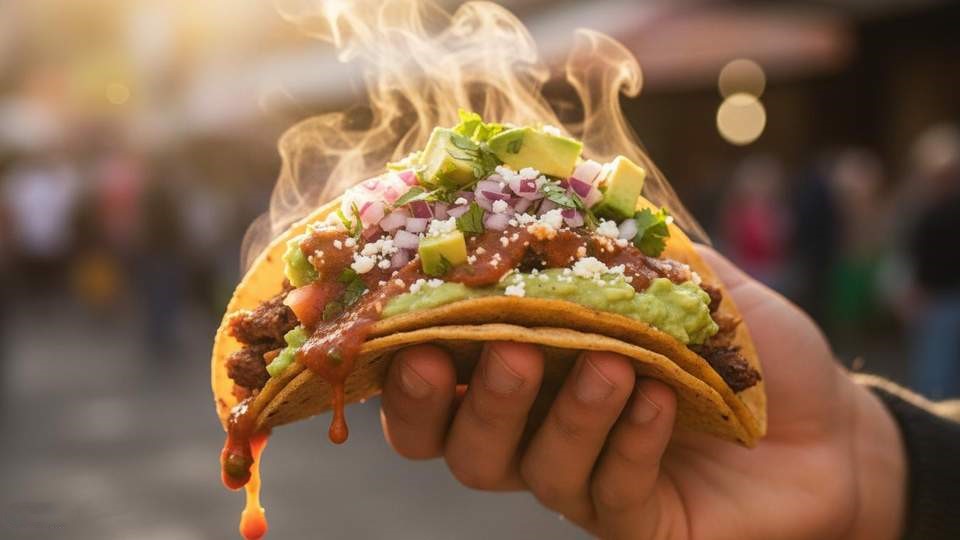
GEBILAOWANG’s take: I’ll be honest, “bussin’” is one of those words that sounds ridiculous until you hear someone use it correctly. The first time a friend described a taco as “bussin’” I thought they were joking. Then I tried the taco. It was, in fact, bussin’. The word just hits different when the thing actually deserves it. In 2026, as food content becomes increasingly performative, “bussin’” remains one of the few compliments that feels genuine.
Related Slang
- Ate — To perform something flawlessly
- Hits different — Something that feels emotionally unique or more impactful
- Slaps — A song or beat that’s extremely good
- Fire — General term for something excellent
- No cap — No lie, for real
Frequently Asked Questions
What does “bussin’” mean?
It means something tastes extremely good or is highly enjoyable. Originally food-specific, now used for anything exceptional.
Where did “bussin’” come from?
It originated in AAVE (African American Vernacular English) in the early 2010s as a way to describe exceptionally flavorful food. It spread to mainstream Gen Z vocabulary through TikTok food content around 2020-2022.
Can you use “bussin’” for non-food things?
Yes, though purists might side-eye you. Gen Z has definitely expanded it to describe anything exceptional — outfits, music, experiences. Just don’t use it in professional settings.
Pronunciation
/ˈbʌsɪn/
Sources
- Simplified — 100+ New Gen Z Slang Words https://simplified.com/blog/ai-writing/gen-z-slang-words-and-how-to-use-them
- Reddit r/GenZ — AAVE Slang Evolution Discussion https://reddit.com/r/GenZ