Usage & Context
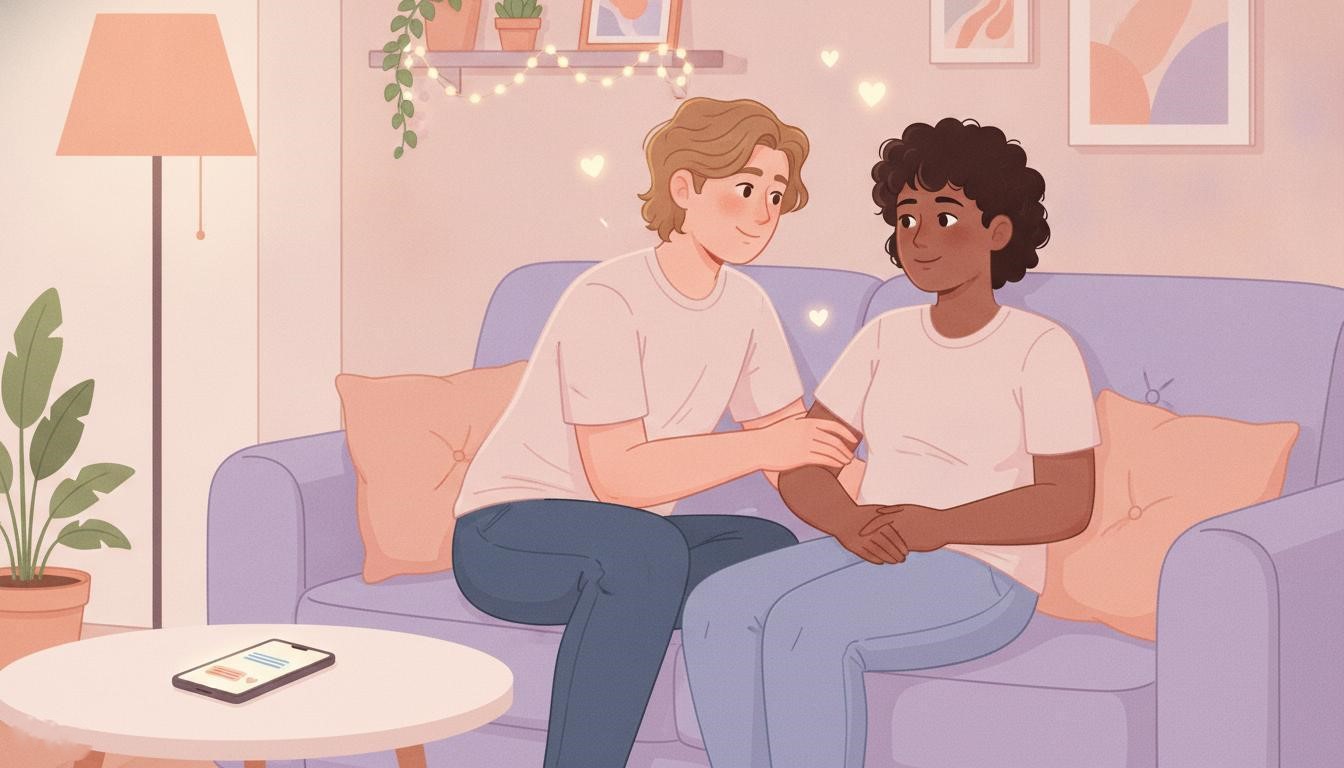
“Chalant” is a 2025-2026 slang term created as the deliberate opposite of “nonchalant,” describing someone who shows genuine interest, enthusiasm, and emotional investment in a relationship. Originating on TikTok as a backlash against emotionally distant “situationships,” it went viral after being used on Love Island and has been discussed by Hinge’s lead relationship scientist.
On TikTok, “chalant” appears in dating advice videos, relationship commentary, and self-deprecating confessions about catching feelings. The hashtag #chalant has tens of millions of views, with strongest adoption among Gen Z (ages 16–28) in the US and UK. The term functions as both a compliment (“he’s so chalant, it’s refreshing”) and a standard (“I’m only dating chalant people from now on”).
The breakthrough moment came on a 2026 episode of Love Island, when contestant Sol declared: “I like someone that just shows me interest. Like, I hate a nonchalant person. I need you to be very chalant with me.” The clip went viral, spawning millions of likes and a wave of “chalant” content. Hinge’s lead Relationship Scientist Logan Ury even dedicated a December 2025 podcast episode to “chalant dating,” noting it represented a major cultural shift in what people want from relationships.
TikTok Comment: “If he’s not chalant about you, he’s not the one. Period.”
Group Chat: “Friend: How’s the new guy? / Me: Actually chalant. Texts back fast, plans dates, remembers what I tell him / Friend: Wait, that actually exists in 2026?”
Tweet: “The bar is so low that ‘chalant’ is now considered a personality trait instead of basic human decency.”
Origin Story
The term “chalant” emerged in late 2025 as a direct linguistic counterattack against the “nonchalant” relationship culture that had dominated Gen Z dating for years. As SheKnows documented, young people had grown exhausted of “situationships” — pseudo-relationships featuring fake labels and little to no commitment. The word filled a genuine semantic gap: English had “nonchalant” (not caring) but no opposite word for actively caring.
The Love Island clip was the tipping point, but the concept was already circulating on TikTok. Creators had been complaining about emotionally unavailable partners for years; “chalant” gave that frustration a name and a standard. By mid-2026, it had become the rallying cry for a generation tired of emotional unavailability.
Cultural Significance
The brilliance of “chalant” lies in its linguistic efficiency: it took an existing word root and flipped it to create something entirely new. “Nonchalant” (French for “not caring”) has been part of English since the 18th century, but no one had ever needed its opposite until Gen Z realized that caring too little had become the norm in modern dating.
GEBILAOWANG’s take: what makes “chalant” culturally significant is that it wasn’t just invented — it was necessary. For years, dating advice focused on “playing it cool,” “not catching feelings,” and maintaining the upper hand. “Chalant” rejects all of that. It’s a generational declaration that emotional availability is not weakness — it’s the minimum standard. The term also demonstrates how TikTok is actively reshaping relationship norms: a single viral clip can introduce a concept that shifts how millions of young people approach dating.
Related Slang
- Nonchalant — the original word; chalant is its deliberate opposite
- Situationship — the emotionally distant pseudo-relationship that chalant rejects
- Down bad — being overly invested or desperate (chalant is healthy investment, not desperation)
- Caught feelings — accidentally developing emotions; chalant is about choosing to care
Frequently Asked Questions
What does “chalant” mean?
It’s the opposite of “nonchalant” — someone who shows genuine interest, enthusiasm, and emotional investment in a relationship. Gen Z invented it because they were tired of dating people who act like they don’t care.
Where did “chalant” come from?
It emerged on TikTok in late 2025 and went viral after a Love Island contestant used it in 2026. Hinge’s relationship scientist Logan Ury discussed it as a major cultural shift.
Is “chalant” a real word?
Not officially — it’s slang that fills a semantic gap. “Nonchalant” exists in dictionaries but “chalant” (its opposite) doesn’t, which is exactly why Gen Z created it.
Is “chalant” here to stay?
With Love Island exposure, Hinge scientist validation, and millions of TikTok views, it has achieved mainstream recognition. It fills a genuine need and represents a lasting cultural shift toward valuing emotional availability.
Pronunciation
/ˈʃælənt/
Sources
- SheKnows — Gen Z Is Now Demanding ‘Chalant’ Relationships https://www.sheknows.com/parenting/articles/1235029259/gen-z-chalant-relationships/
- Yahoo Lifestyle — Gen Z Is Now Demanding ‘Chalant’ Relationships https://www.yahoo.com/lifestyle/articles/gen-z-now-demanding-chalant-204241006.html