Usage & Context
“Choremance” is a 2025-2026 dating term combining “chore” and “romance,” describing couples who turn everyday errands into bonding experiences. Named one of Plenty of Fish’s top dating trends for 2026, it reflects Gen Z’s preference for practical, authentic connection over grand romantic gestures.
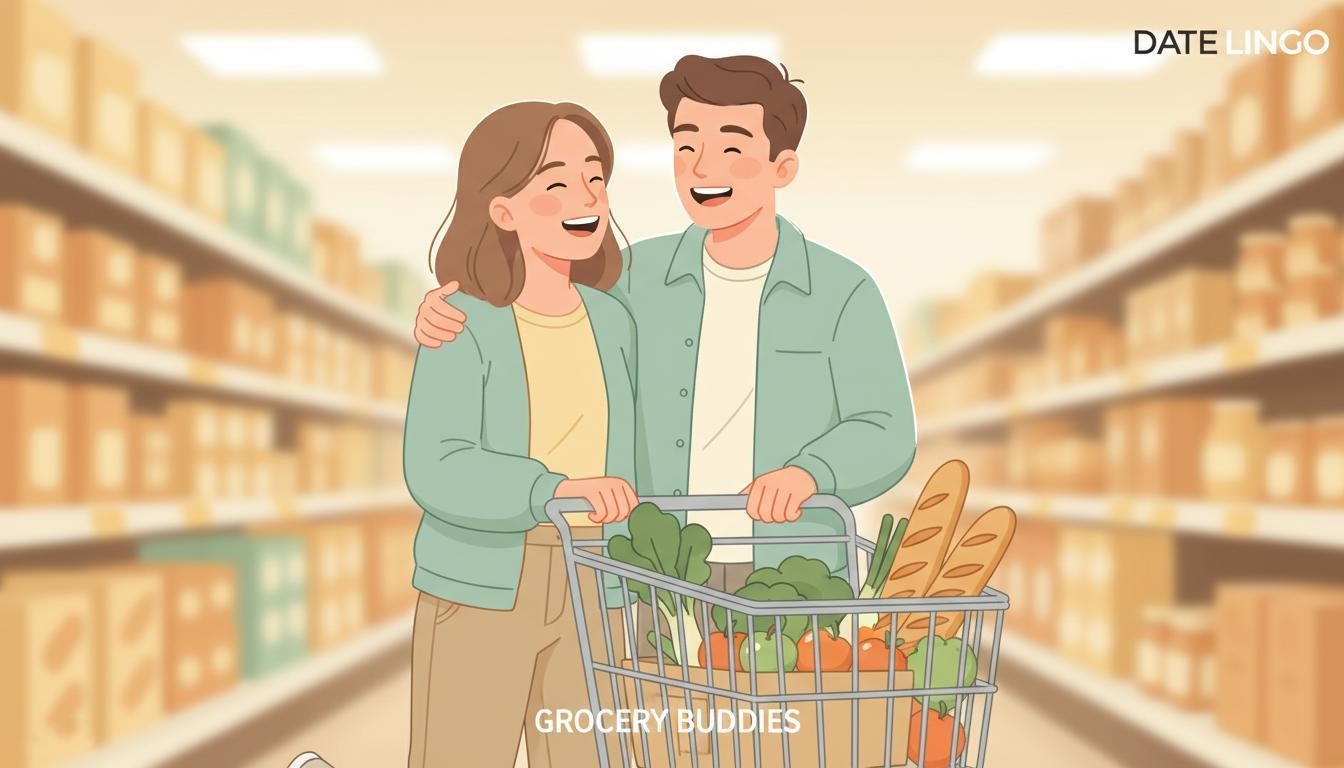
On TikTok, choremance content shows couples grocery shopping together, walking dogs, assembling IKEA furniture, or doing laundry — and framing these mundane tasks as dates. The hashtag #choremance has millions of views, with strongest adoption among Gen Z (ages 16–28) in the US and UK. The term functions as both a self-descriptor (“we’re a choremance couple”) and a dating philosophy (“I’m looking for choremance energy”).
The concept gained academic validation when Psychology Today published an article in January 2026 titled “The Choremance Dating Trend Can Be a Time Saver,” explaining why couples who tackle mundane tasks together often report higher relationship satisfaction. By mid-2026, “choremance” has become the antithesis of performative dating — a rejection of Instagram-perfect dates in favor of real, unglamorous shared life.
TikTok Caption: “Our third date was doing laundry together and honestly it was better than any fancy dinner I’ve been on. #choremance”
Group Chat: “Friend: What are you doing this weekend? / Me: Choremance date — we’re assembling IKEA furniture together / Friend: If you survive that, you can survive anything.”
Twitter/X Post: “The choremance is the most realistic dating trend because you find out real quick if someone can handle a Costco run without losing their mind.”
Origin Story
The term “choremance” emerged in late 2025 as dating app Plenty of Fish compiled its annual trends forecast for 2026. Based on insights from 2,000 UK singles, the report revealed that 42% of singles were embracing “choremances” — blending romance with practicality by transforming mundane activities into dates. The most popular choremance activities included dog walks (58%), gym sessions (25%), and even weekly grocery shopping (21%).
The concept gained further traction when it appeared in PopLady Magazine’s coverage of 2026 Gen Z dating concepts, and NetLingo formally recognized the term with the definition: “Choremance is a dating term where couples turn daily errands into bonding time.” By early 2026, the word had moved from trend report buzzword to genuine dating vocabulary.
Cultural Significance
The term works because it captures a specific cultural moment: Gen Z is exhausted by dating apps, tired of performative romance, and increasingly values authenticity over aesthetics. A choremance isn’t about the activity itself — it’s about what the activity reveals. When you grocery shop with someone, you learn how they make decisions, handle stress, and navigate minor disagreements.
GEBILAOWANG’s take: “choremance” is linguistically significant because it represents the complete inversion of traditional dating logic. Previous generations reserved mundane tasks for after the relationship was established; Gen Z uses them as relationship tests from the beginning. The term also reflects economic reality — when dinner dates cost $80 and millennials are house-poor, turning a dog walk into a date isn’t just romantic, it’s financially necessary. This practicality-over-performance approach may be Gen Z’s most significant contribution to dating culture.
Related Slang
- Situationship — the undefined pseudo-relationship that choremance rejects
- Soft launch — subtly revealing a new relationship on social media
- Date — the traditional concept that choremance is redefining
- Touch grass — the broader anti-performative sentiment that choremance embodies
Frequently Asked Questions
What does “choremance” mean?
It’s a dating term for couples who turn everyday errands (grocery shopping, dog walks, laundry) into bonding experiences. Named a top 2026 dating trend by Plenty of Fish.
Where did “choremance” come from?
It emerged in late 2025 from Plenty of Fish’s annual trends report, based on insights from 2,000 UK singles. Psychology Today validated the concept in January 2026.
Is “choremance” just a way to be cheap?
Not necessarily. While it does reflect economic reality (dinner dates are expensive), the deeper motivation is authenticity — testing compatibility through real-life tasks rather than performative romance.
Is “choremance” here to stay?
With Plenty of Fish’s institutional backing and Psychology Today validation, it has strong staying power. The behavior it describes is timeless; the only question is whether the specific term persists.
Pronunciation
/ˈʧɔːrəmæns/
Sources
- Psychology Today — The Choremance Dating Trend Can Be a Time Saver https://www.psychologytoday.com/us/blog/a-funny-bone-to-pick/202601/the-choremance-dating-trend-can-be-a-time-saver
- Wales Online — ‘Choremance’, ’turbo dating’ and ’love bubbling’ https://www.walesonline.co.uk/news/uk-news/turbo-dating-trends-2026-tendendo-32594107