Usage & Context
“Clock” as a verb means to notice someone for who they really are, especially when that person is trying to hide something. Originated in AAVE and ballroom culture before crossing over into TikTok slang. Voted #2 in the American Dialect Society’s Most Useful category in 2025.
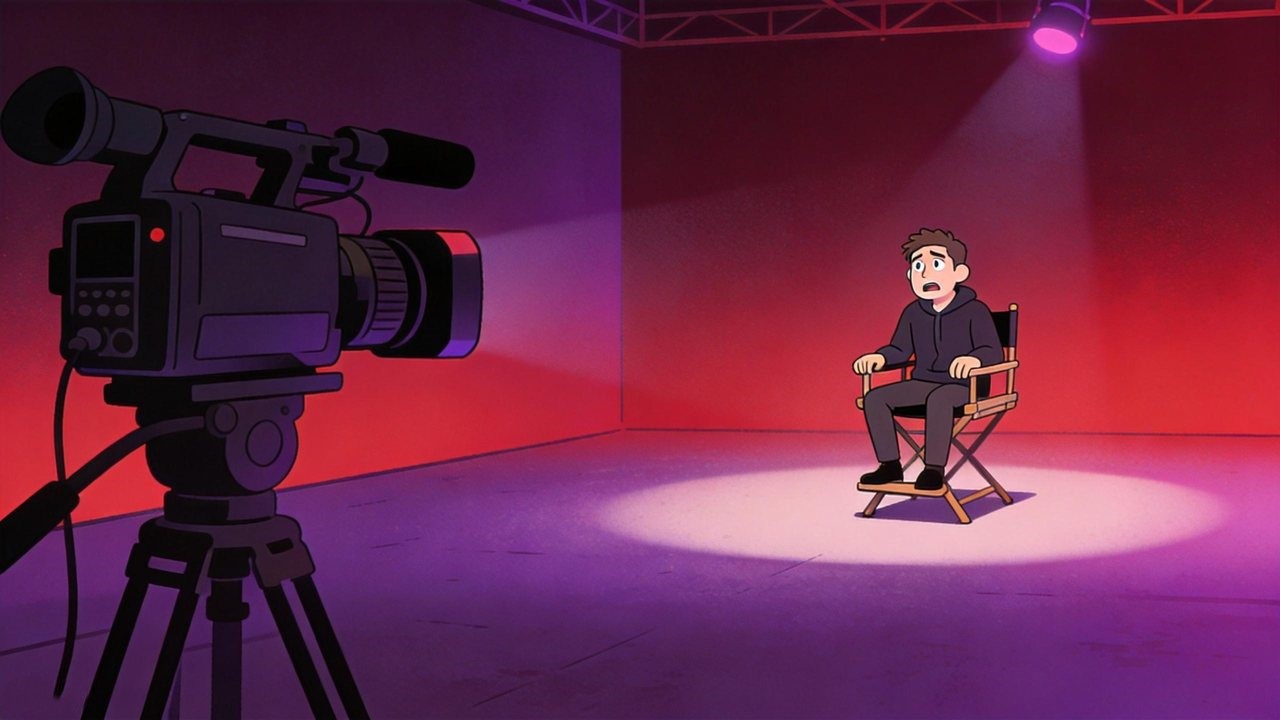
On TikTok, “clock” is deployed across every type of content. Comment under an AI image: “The hands have six fingers. I clocked it immediately.” POV caption: “POV: you clock the ChatGPT tone in your ex’s apology text.” The phrase is active, deliberate, and often competitive — when you clock something, you’re not just observing, you’re declaring that you saw what someone else might have missed.
The term is primarily used by Gen Z (ages 16–28), especially those familiar with LGBTQ+ culture and AAVE. It’s one of those rare slang terms that has survived decades of cultural crossover because it names a universal human need — the desire to feel perceptive, to be the one who sees through the illusion.
Comment under AI image: “The hands have six fingers. I clocked it immediately.” (28.6K likes)
POV Caption: “POV: you clock the ChatGPT tone in your ex’s apology text”
Stitch: “People keep asking how I knew it was fake. Girl, I clocked the lighting in two seconds.”
Origin Story
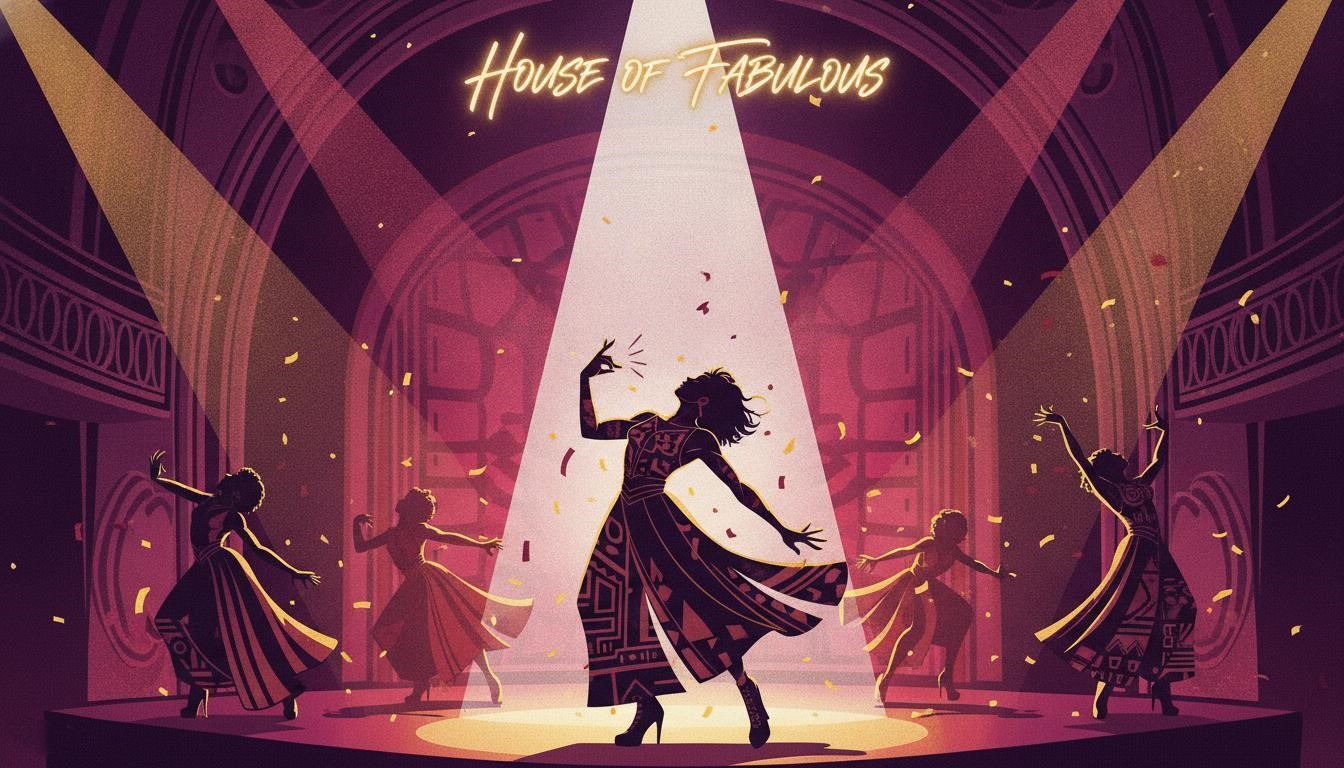
“Clock” as a verb has deep roots in African American Vernacular English and the ballroom scene — the LGBTQ+ subculture documented in Jennie Livingston’s 1990 film Paris Is Burning. In that world, to “clock” someone meant to see through their performance, to notice the reality beneath the illusion. It was a verb of revelation, used by drag performers and voguers who spent their lives reading surfaces.
In the ballroom scene, reading and clocking were essential skills. Participants competed in categories — “realness,” “face,” “vogue femme” — where the goal was to present a flawless illusion. To be “clocked” was to have that illusion shattered. Someone might look “real” (passing as cisgender or high-fashion) until a walk, a gesture, or a detail gave them away.
The word then traveled through decades of Black and queer culture before exploding into mainstream TikTok vocabulary in 2026. By January 2026, the American Dialect Society recognized its cultural weight, voting “clock” #2 in their “Most Useful” category with 28 votes.
Cultural Significance
“I noticed” is passive. “I clocked” is active, deliberate, and often competitive. When you clock something, you’re not just observing — you’re declaring that you saw what someone else might have missed. This distinction matters because it reveals something about how Gen Z processes information: in an era of deepfakes, AI-generated content, and constant performance, being able to “clock” what’s real is a genuine skill.
GEBILAOWANG’s take: “clock” has survived where countless other AAVE terms have been forgotten because it names a universal human need — the desire to feel perceptive, to be the one who sees through the illusion. It’s observation as identity. In 2026, where AI can generate realistic images and ChatGPT can write convincing text, the ability to “clock” what’s authentic has become more valuable than ever. The term’s ballroom origins — where seeing through illusion was literally a competitive skill — make it even more relevant today.
Related Slang
- Read — explicit verbal critique; clock is quiet observation, read is speaking
- Clocked — the passive form: “she got clocked” means someone noticed her secret
- Sus — suspicious; when something feels off but you haven’t quite clocked it yet
- AI detector — the literal tool for what “clock” does metaphorically
Frequently Asked Questions
What does “clock” mean as a verb?
It means to notice someone for who they really are, especially when they’re trying to hide something. It’s observation with stakes — seeing through an illusion.
Where did “clock” come from?
It originated in AAVE and the ballroom scene (documented in Paris Is Burning, 1990), where it meant seeing through drag/realness performances. Crossed into mainstream TikTok in 2025-2026.
Is it okay for non-Black people to use “clock”?
In casual contexts among friends, generally yes — the word has crossed into mainstream usage. But understanding its ballroom/AAVE origins matters. Use it with respect for its history.
What’s the difference between “clock” and “read”?
“Read” is explicit verbal critique. “Clock” is quiet observation — you notice something without necessarily announcing it. To clock is to see; to read is to speak.
Pronunciation
/klɒk/
Sources
- American Dialect Society — 2025 Words of the Year https://americandialect.org/woty/
- The Guardian — “Slopper and TikTok slang enter mainstream dictionaries” https://www.theguardian.com/us-news/2026/apr/20/slopper-tiktok-slang-dictionary
- Dreamworldgirl Zine — “Ballroom culture clock meaning” https://dreamworldgirl.com/ballroom-culture-clock-meaning/
- DefenderNetwork — “Clock verb meaning origin ballroom” https://defendernetwork.com/life/culture/clock-verb-meaning-origin-ballroom/