Usage & Context
“Lewk” is a stylized spelling of “look” describing a distinctive, bold, or memorable fashion statement or aesthetic. Added to Cambridge Dictionary in August 2025, the term originated in drag culture and was popularized by RuPaul’s Drag Race before spreading to mainstream TikTok fashion content.
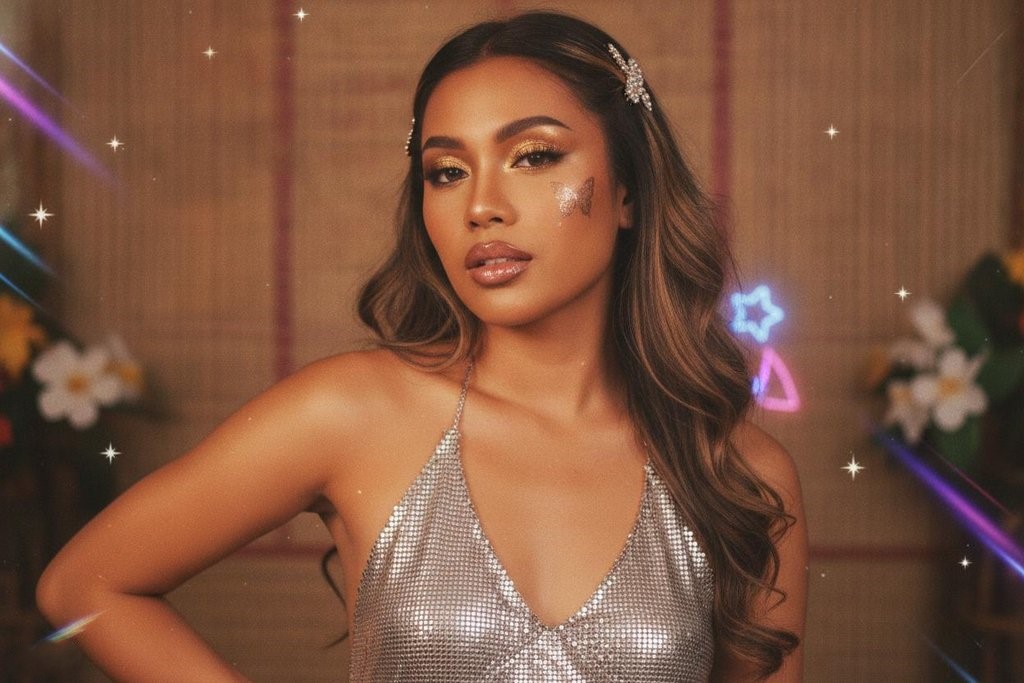
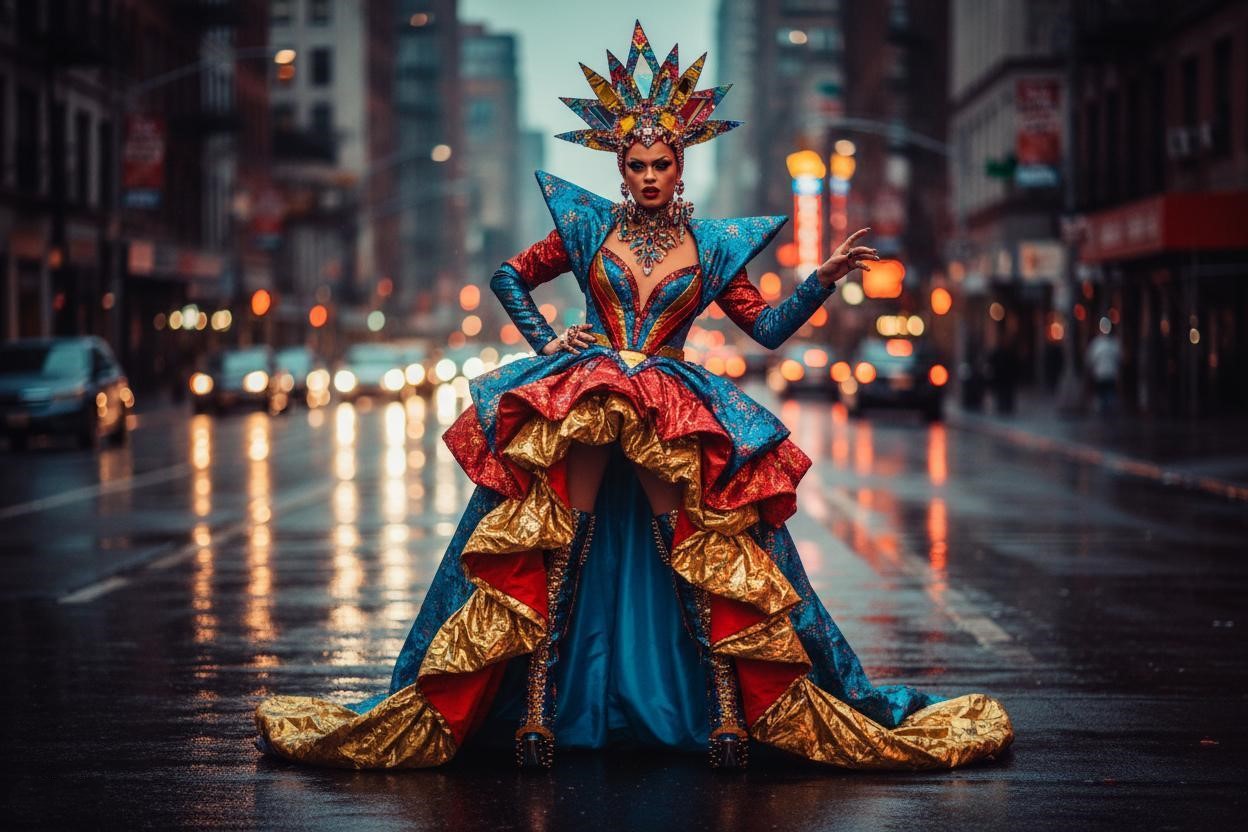
A “look” is just what you’re wearing; a “lewk” is a statement, a performance, a declaration of identity. The term captures the intentionality and theatricality of a truly memorable aesthetic — attitude, makeup, and context all included. Two people can wear the same outfit, but only one might be “serving a lewk.”
By 2026, “lewk” has fully migrated from drag-specific vocabulary into mainstream Gen Z fashion discourse on TikTok. Creators post “lewk checks” and “outfit lewks” to showcase their personal style. The word appears in comments, captions, and dedicated fashion content across platforms.
TikTok Comment: “That Met Gala lewk was everything. She understood the assignment and added extra credit.”
Group Chat: “Friend: What should I wear tonight? / Me: Give me a full lewk — I’m talking statement piece, bold makeup, the works / Friend: So basically dress like I’m about to steal the show? / Me: Exactly.”
Instagram Caption: “Serving cottagecore lewk for today’s farmers market run 🌼🧺”
Origin Story
The term “lewk” has its roots in African American and LGBTQ+ ballroom culture, where it functioned as a playful, exaggerated pronunciation of “look” — but with a specific meaning: a carefully crafted, head-turning outfit or aesthetic that makes a statement. The term exploded into mainstream consciousness through RuPaul’s Drag Race, where contestants and judges regularly praised or critiqued each other’s “lewks.”
On August 18, 2025, Cambridge Dictionary officially added “lewk” as part of its massive 6,212-word update, defining it as “a particular style, fashion, or outfit, especially one that is unusual and impressive.” Good Morning America covered the addition, noting that “lewk” had “gained traction across social and mainstream media, often tied to celebrities and influencers.” The dictionary recognition formalized what had already become standard vocabulary in fashion and beauty communities.
Cultural Significance
GEBILAOWANG’s take: what’s notable about “lewk” is how it demonstrates the mainstreaming of drag culture vocabulary. Terms born in queer communities of color — “yas,” “slay,” “serving,” “lewk” — have become the default language of internet fashion discourse. This isn’t cultural appropriation in the negative sense; it’s cultural diffusion driven by admiration and recognition. The risk is dilution: as “lewk” becomes generic, it loses its specific connection to the creative labor of drag performance.
The term’s survival when other fashion slang disappeared speaks to its utility. “Lewk” does something no other word does — it elevates “outfit” to “statement” in a single syllable. With Cambridge Dictionary’s 2025 recognition and deep roots in drag culture, “lewk” has multiple pillars of cultural support that most viral slang lacks.
Related Slang
- “Serving” — to present something with confidence; often paired with “lewk” (“serving lewk”)
- “Slay” — to do something exceptionally well; overlaps with “lewk” in fashion contexts
- “Yas” — an expression of enthusiastic approval; part of the same drag culture lexicon
- “Fit check” — TikTok format for showing off outfits; “lewk check” is the more theatrical variant
- “Aesthetic” — a broader term for visual style; “lewk” is more specific to a single presentation
Frequently Asked Questions
What older expression is “lewk” most similar to?
“Lewk” is closest to “ensemble” or “outfit,” but carries much more personality and intentionality. “Ensemble” sounds formal and fashion-industry; “lewk” sounds playful and social media-native. The key difference is that a “lewk” describes the entire aesthetic impact, not just the clothes.
Can “lewk” accidentally offend someone?
Generally no — “lewk” is positive and celebratory. However, using it without awareness of its drag culture origins can feel like erasure to LGBTQ+ communities who created and popularized the term. If you’re using “lewk,” it’s worth knowing where it came from.
Is “lewk” here to stay?
With Cambridge Dictionary’s 2025 recognition, “lewk” has institutional staying power. It’s become the default term for describing a memorable aesthetic on social media. Unlike fleeting TikTok slang, “lewk” benefits from its deep roots in drag culture and its adoption by mainstream fashion media.
How do you define “lewk” in ten words?
“A bold, statement-making fashion aesthetic that turns heads.”
Pronunciation
/luːk/
Sources
- Cambridge Dictionary — Cambridge Dictionary adds “lewk” https://www.cambridge.org/news-and-insights/cambridge-dictionary-adds-skibidi-delulu-and-tradwife
- Good Morning America — “Skibidi,” “delulu” and “tradwife” among new words added to Cambridge Dictionary https://www.goodmorningamerica.com/living/story/skibidi-delulu-tradwife-new-words-added-cambridge-dictionary-124753564