Usage & Context
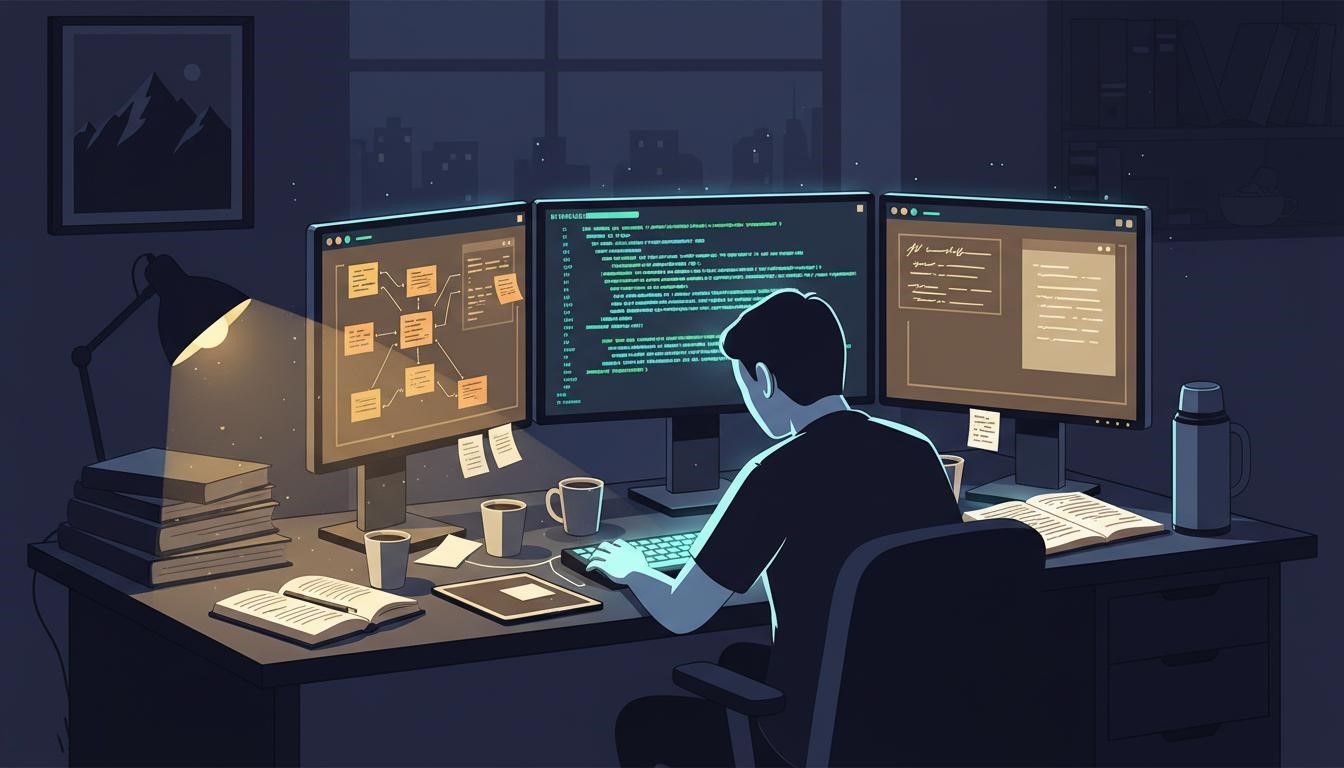
“Locked in” is Gen Z’s battle cry. It’s what you say when you’re done procrastinating and ready to actually get stuff done. Not “I’ll try to focus” — that’s weak. Locked in means you’ve mentally flipped a switch. Distractions don’t exist. Your phone is face-down. The grind has begun.
The phrase works in multiple tenses. “I’m locked in” means you’re already in the zone. “Time to lock in” is the announcement that you’re about to enter beast mode. “Lock in with me” is the invitation for others to join your focus session. Each variation carries the same energy: serious commitment.
TikTok Comment: “POV: you finally lock in after 3 hours of scrolling and realize you have 20 minutes until the deadline.”
Group Chat: “Bro: Gym at 5am tomorrow? / Me: Say less. We locked in. / Bro: I was joking / Me: Too late. Alarm is set.”
Study Stream: TikTok creator @study.with.zoe runs 4-hour “lock in with me” livestreams where she studies in silence with a Pomodoro timer. Her streams average 50K viewers. The comment section is just people typing “locked in” every few minutes.
The phrase also carries emotional weight. Sometimes “I need to lock in” isn’t about productivity — it’s about survival. Exams tomorrow. Bills due. Life falling apart. Locking in becomes a coping mechanism, a way to reclaim control when everything feels chaotic.
Twitter/X Post: “Locked in doesn’t always mean grinding. Sometimes it means ‘I’m going through something and I need to handle it alone.’ Respect that.”
Cultural Significance
“Locked in” represents a shift in how Gen Z thinks about productivity. Previous generations might have said “buckling down” or “getting serious.” Those phrases sound like something your dad says before doing taxes. “Locked in” feels different — it’s urgent, almost desperate. It acknowledges that focus is hard to achieve and even harder to maintain.
The phrase also reflects the attention economy battle. In a world designed to distract you — notifications, algorithms, infinite scrolling — locking in is an act of rebellion. When someone says they’re “locked in,” they’re essentially announcing they’ve temporarily escaped the digital trap.
The trend has spawned an entire subgenre of content. “Lock in with me” videos show creators studying, working out, or grinding toward goals in real-time. These videos get massive engagement because they tap into something universal: everyone wants to be more focused, and watching someone else do it provides motivation.
There’s a dark side though. The “always locked in” mentality can lead to burnout. Some creators glorify extreme productivity — 4 AM wake-ups, 12-hour work days, no weekends. That’s not healthy. Real locking in includes knowing when to unlock.
Origin Story
“Locked in” evolved from sports culture originally. Coaches would tell athletes to “lock in” before big games — meaning focus up, tune out distractions, perform. Gaming culture adopted it next, with streamers telling viewers they were “locking in” before competitive matches.
The phrase went mainstream on TikTok in late 2024 through study and gym content. Creator @lockedinmovement posted daily “lock in” motivation videos starting in January 2025, amassing 2.3M followers in 8 months. The hashtag #lockedin has over 8 billion views on TikTok as of July 2026.
TikTok Video: Creator @lockedinmovement’s June 3, 2026 video titled “The 5AM Lock In Routine” went viral with 12M views. It shows a montage of cold showers, protein shakes, and study sessions. The audio has been used in 400K+ other videos.
The phrase has also crossed into music. Multiple rap songs reference “locked in” as a lifestyle — Future’s 2025 track “Locked In” spent 3 weeks on the Billboard Hot 100. The phrase is now firmly embedded in youth culture across platforms.
Related Slang
- Mewing — another physical self-improvement practice in the same ecosystem
- Aura-maxxing — upgrading your presence while you’re locked in
- Cooked — what happens when you fail to lock in
- Gyatt — the reaction when someone’s locked-in results start showing
Frequently Asked Questions
What does “locked in” mean on TikTok?
It means entering a state of deep focus and commitment. Usually used before studying, working out, or grinding toward a goal.
Where did “locked in” come from?
Sports and gaming culture originally. It went viral on TikTok in 2024-2025 through study and productivity content.
Is “locked in” about toxic productivity?
It can be. The phrase itself is neutral — it’s about focus, not overwork. But some creators use it to promote unhealthy hustle culture. Balance is key.
What’s the difference between “locked in” and “locked up”?
Completely different. “Locked in” means focused. “Locked up” means in jail. Do not mix these up.
Pronunciation
/lɒkt ɪn/
Sources
- Punnszone — Lock In Meaning Slang https://punnszone.com/lock-in-meaning-slang/
- Daily Motivation For You — Lock In Quotes https://dailymotivationforyou.com/blog/lock-in-quotes-focus-discipline