Cultural Significance
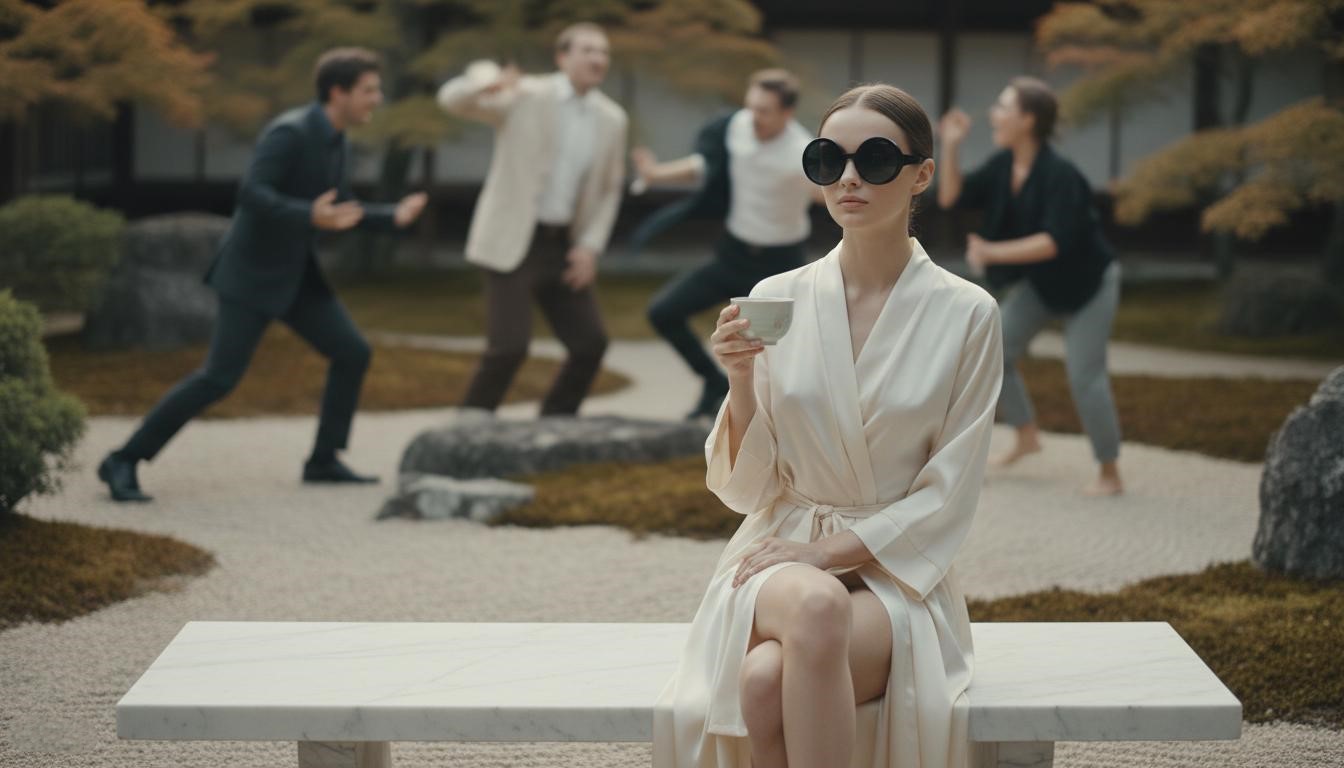
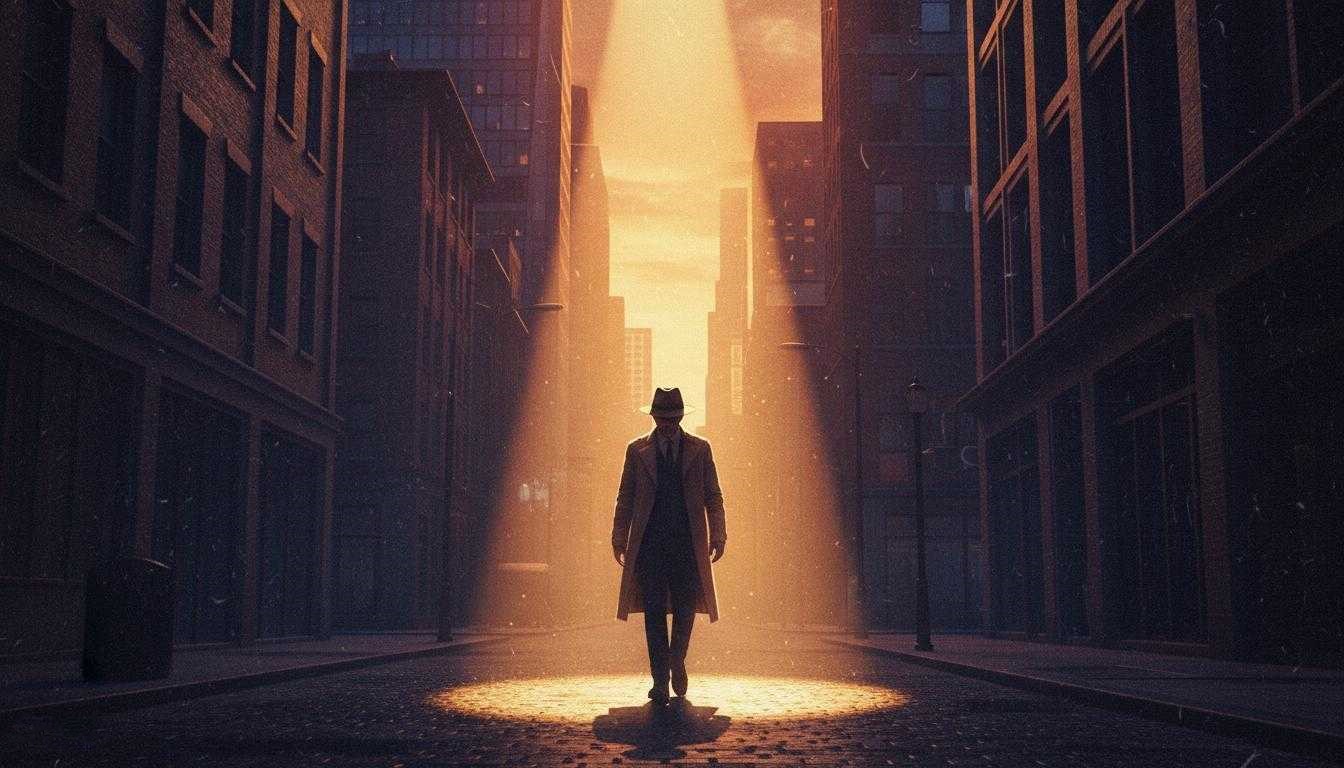
“Main character energy” is the antidote to the NPC mindset. While NPCs drift through life following scripts, people with main character energy write their own. They walk into rooms like they own them. They post what they want. They live unapologetically — and somehow make everyone else want to live that way too.
The phrase went viral on TikTok in May 2020 when creator Ashley Ward posted a video encouraging viewers to “think of yourself as the main character.” The audio spawned a massive trend where users filmed cinematic montages of their everyday lives — walking in slow motion, dramatic lighting, moody soundtracks. By June 2021, The New Yorker published a piece titled “We All Have ‘Main-Character Energy’ Now.” That’s when you know a phrase has arrived.
Merriam-Webster added it to their slang dictionary in 2024, defining it as “self-assured bearing or behavior.” The phrase also spawned “side character energy” (comfortable not being the center of attention) and “villain era” (when you stop people-pleasing and start putting yourself first).
Psychologically, the concept connects to “internal locus of control” — the belief that you shape your own outcomes rather than external forces determining your fate. People with main character energy believe their choices matter. They take initiative. They fail publicly and keep going. It’s confidence, but earned through action.
Origin Story
The phrase builds on two well-established slang ingredients. “Main character” comes from narrative theory and pop culture — the protagonist who drives the story. “Energy” as slang for vibe or aura became popular through expressions like “big dick energy” in 2018.
Before “main character energy” crystallized, there was “main character syndrome” — a pejorative term from early 2010s gaming communities describing players who dominated group narratives at others’ expense. The new phrase flipped the concept from negative to positive. Main character energy isn’t about hogging attention — it’s about self-possession.
The May 2020 TikTok trend defined the aesthetic: quirky, introspective, carefree, authentic. Not arrogant — romantic. The videos presented ordinary moments as scenes from personal films. Walking to get coffee became a cinematic event. Rain became atmospheric lighting. The mundane became magical.
TikTok Trend: The original “main character” audio by Ashley Ward (@ashleylovescoco) has been used in 2.3M videos. The trend peaked in summer 2020 but remains a recurring format on the platform.
New Yorker Article: “We All Have ‘Main-Character Energy’ Now” by Rachel Syme, published June 2021, analyzed the trend’s cultural implications. The article noted how the pandemic made everyone feel like they were living in their own personal movie — isolated, dramatic, narratively significant.
Usage & Context
“Main character energy” is both a compliment and a gentle roast, depending on delivery. Complimenting someone’s main character energy means they exude confidence and authenticity. Mocking it means they’re self-absorbed or attention-seeking. Context is everything.
The phrase often appears abbreviated as “MCE” in casual text. It’s also frequently paired with “villain era” — “She’s not just main character energy anymore, she’s full villain era” means someone has stopped people-pleasing and is prioritizing themselves, sometimes ruthlessly.
TikTok Comment: “The way she walked away from that toxic job with zero backup plan? Main character energy. No notes.”
Group Chat: “Friend: I wore a full suit to the grocery store just because / Me: That’s unhinged main character energy and I respect it.”
Instagram Caption: “Not everyone likes me. Not everyone matters. Main character energy only.”
The phrase works across contexts — fashion, dating, career, travel. “Birthday nails that give main character energy” is a real sentence people say. “Walking into the interview with main character energy” is solid advice. It’s versatile because confidence is always relevant.
Related Slang
- NPC — the direct opposite of main character energy
- Delulu — when main character energy becomes unrealistic self-belief
- Aura-maxxing — upgrading your presence to boost main character energy
- Rizz — the charm that often comes with main character energy
Frequently Asked Questions
What does “main character energy” mean?
It means carrying yourself with confidence and self-assurance, like you’re the protagonist of your own life story. It’s about authenticity and self-possession.
Is main character energy a good thing?
Usually yes — when it means confidence and authenticity. It becomes negative when it tips into self-absorption or attention-seeking. Balance matters.
Where did “main character energy” come from?
A TikTok trend from May 2020, popularized by creator Ashley Ward. The concept went viral during the pandemic when everyone felt like they were living in their own isolated movie.
What’s the difference between main character energy and narcissism?
Main character energy is about self-confidence and agency. Narcissism is about lacking empathy and needing constant admiration. The key difference is whether you can celebrate others’ main character moments too.
Pronunciation
/meɪn ˈkærəktər ˈenədʒi/
Sources
- Merriam-Webster — Main Character Energy Slang Meaning https://www.merriam-webster.com/slang/main-character-energy
- Enneagram Test — Psychology Behind Main Character Energy https://enneagramtest.com/blog/main-character-energy