Usage & Context
“Mogging” means to dominate or outshine someone through sheer physical presence, skill, or charisma. The term functions on two levels simultaneously. On the surface, it’s a compliment — acknowledging someone’s exceptional performance. Beneath that, it carries an implicit comparison. To say someone “mogged” an event is to say they didn’t just win; they made the competition look incidental.
On TikTok, “mogging” appears in comments, captions, and sports commentary. It’s used to describe everything from athletic achievements to fashion moments to academic successes. The word’s flexibility comes from its core meaning: showing up, being undeniable, and making everyone else look like they were standing still.
Unlike broader compliments — “amazing,” “incredible,” “iconic” — “mogging” carries specific requirements: a competitive or comparative context, an element of effortlessness, and visibility. True mogging looks like it required no effort, and it must be witnessed. This specificity is why the word has survived longer than most 2026 slang — it fills a genuine linguistic gap.
Comment under a graduation photo: “Valedictorian, scholarship, AND the fit? She’s mogging.”
Sports highlight reel: “He caught that ball one-handed while falling backward. Pure mogging.”
POV caption: “POV: you walk into the family reunion and your cousin just got engaged, bought a house, AND started a nonprofit. She’s mogging.”
Origin Story
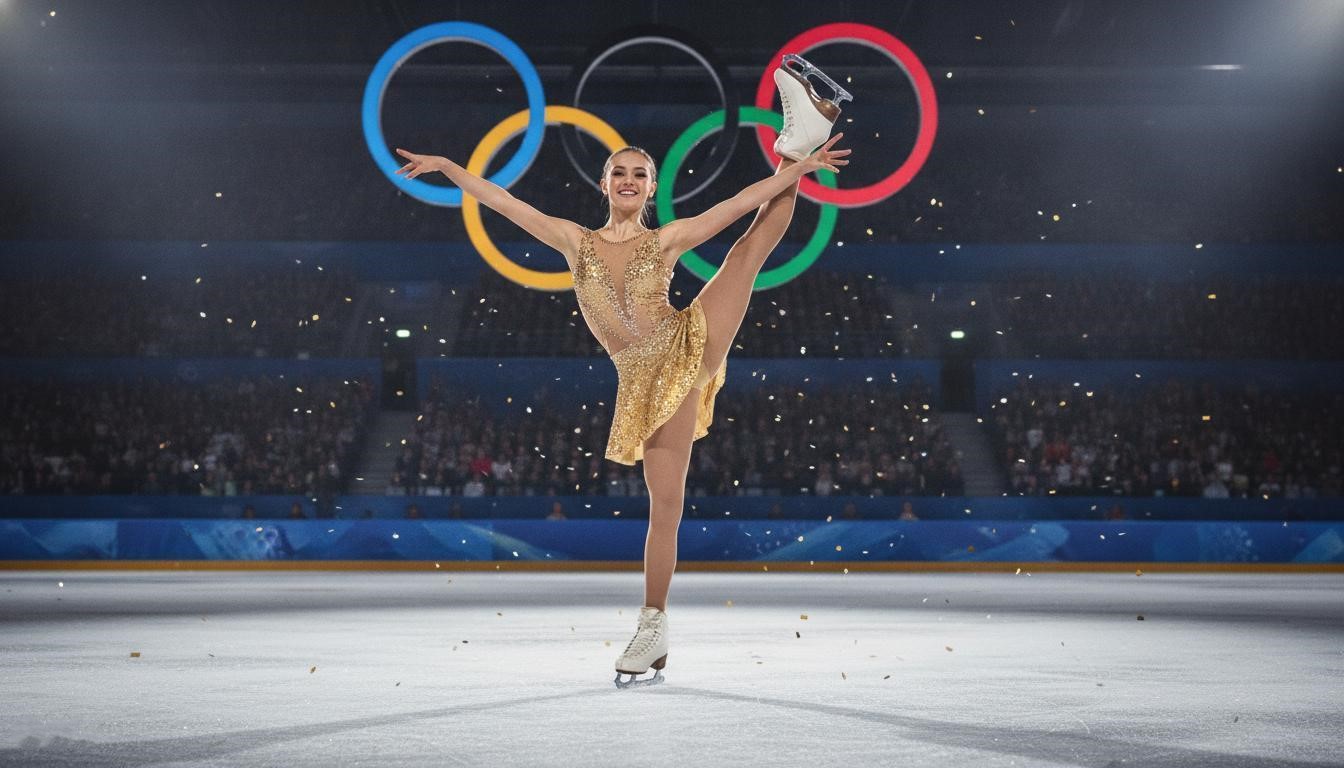
On January 8, 2026, figure skater Alysa Liu stood before a wall of microphones at the Winter Olympics press conference, gold medal around her neck, and delivered a post-win quote that would launch a word into the cultural stratosphere. When asked about her performance, Liu said simply: “It’s giving mogging. That’s literally the only way to describe it. I stepped on the ice and mogged the entire field.”
The clip went viral within hours. By January 10, #mogging had accumulated 40 million views on TikTok. By February, ESPN commentators were using it during basketball broadcasts. By March, it had crossed from sports into everyday conversation.
The word’s journey is unusual. “Mogging” evolved from AMOG — “Alpha Male of the Group” — a term coined in the 2000s pickup artist community to describe the dominant male in any social setting. What Alysa Liu did was strip the term of its PUA origins and repurpose it as pure performance language. She wasn’t talking about social hierarchy or male dominance — she was talking about undeniable excellence. The transformation from PUA jargon to universal compliment is one of the most dramatic semantic reinventions in recent slang history.
Cultural Significance
The Alysa Liu moment represents more than just a viral quote — it demonstrates how a single public figure can fundamentally rewrite a word’s meaning. Before Liu, “mogging” was niche internet vocabulary with problematic origins. After Liu, it became a mainstream term used by everyone, regardless of gender or context.
GEBILAOWANG’s take: what makes “mogging” fascinating is its redemption arc. A term born in the toxic PUA subculture gets reclaimed by an Olympic champion and transformed into something positive. That doesn’t happen often in slang. Most problematic terms either fade away or remain controversial. “Mogging” managed to shed its baggage because Liu’s usage was so clearly divorced from the original meaning — she wasn’t talking about dominance in a social hierarchy, she was talking about athletic excellence. The word’s survival depends on whether this positive usage continues to overshadow its origins.
Related Slang
- Looksmaxxing — the broader practice of optimizing physical appearance
- Rizz — charisma or the ability to attract romantic partners
- Glow up — a transformation for the better
- Main character energy — commanding attention and confidence
- Ate — performed exceptionally well; overlaps with mogging in performance contexts
Frequently Asked Questions
Is “mogging” gendered?
Originally yes, from its PUA origins. Post-Liu, it’s used universally across genders. Women use it about women constantly. The Olympic moment effectively degendered the term.
Can you “mog” at something casual?
Technically yes, but it usually requires stakes. Mogging at a backyard barbecue is possible but less common than mogging at a competition or event. The word needs some element of performance or comparison to feel natural.
Is “mogging” already fading?
As of mid-2026, it’s plateauing. GEBILAOWANG predicts it’ll remain in sports commentary but may decline in casual usage by fall 2026. The word’s specificity gives it staying power in contexts where it fills a genuine linguistic gap.
How do you explain “mogging” to someone out of the loop?
“It’s when someone performs so well that they make everyone else look average. Like dominating without even trying.”
Pronunciation
/ˈmɒɡɪŋ/
Sources
- Know Your Meme — “Mogging” https://knowyourmeme.com/memes/mogging
- TikTok Creative Center — Trending Keywords & Hashtags Dashboard https://ads.tiktok.com/business/en-US/solutions/tiktok-creative-center