Usage & Context
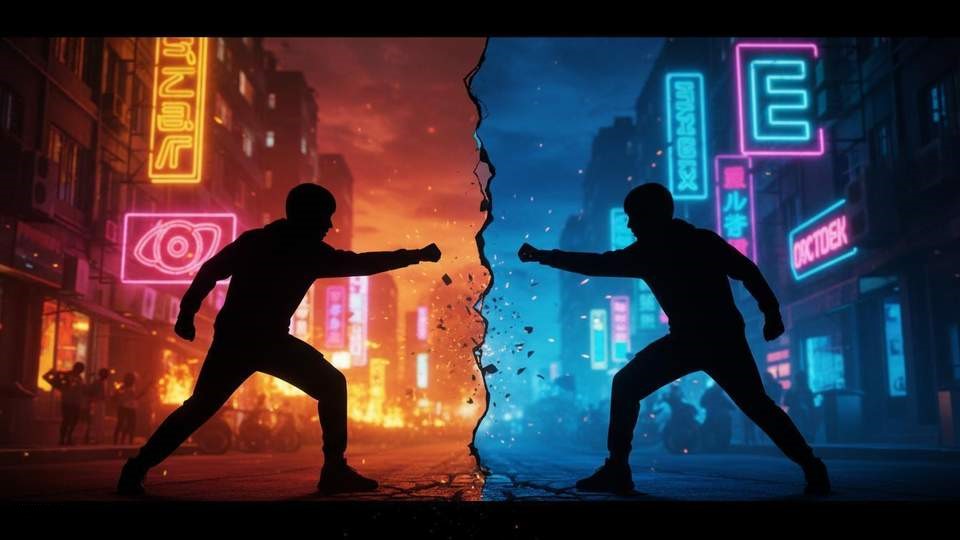
“Opps” is basically Gen Z’s universal term for “the other side.” It started in rap culture as short for “opposition” or “opponent,” referring to rival gangs, crews, or artists. By 2026, it’s expanded into gaming, sports fandom, online debates, and pretty much any situation where there’s a clear us-vs-them dynamic.
On TikTok, “opps” shows up in gaming content, sports rivalries, and meme formats where someone declares war on a trivial thing. Like when a creator posts “the opps are at it again” with a video of their sibling eating the last snack. The dramatic framing of something mundane is the whole joke.
In gaming communities — especially competitive ones like Valorant, Call of Duty, and Fortnite — “opps” refers to the enemy team. “We smoked the opps” means you won decisively. It’s less aggressive than saying “we destroyed those losers” and more playful, which fits Gen Z’s tendency to make everything sound like a casual competition rather than a serious conflict.
The word’s versatility is what makes it stick. It works in rap lyrics, Twitch chat, group texts, and TikTok comments. The only consistent meaning is “the people we’re competing against or don’t like” — everything else is context-dependent.
TikTok Caption: “When the opps walk in and you’re sitting there looking immaculate 😌”
Group Chat: “Friend: Did you see what they tweeted? / Me: The opps are never gonna let me live in peace”
Gaming Lobby: “Don’t worry, we’re about to roll these opps in ranked”
Usage caution: “Opps” originated in contexts involving real conflict — gang culture and serious rivalries. Using it casually about trivial things (which Gen Z does constantly) can feel flippant to people from communities where the word carries heavier weight. Context matters significantly.
Origin Story
“Opps” emerged from rap and hip-hop culture in the early 2010s, particularly in Chicago drill music. Artists like Chief Keef and Lil Durk used it to refer to rival gangs and crews. The word was originally serious — marking actual territorial and personal conflicts.
The abbreviation “opps” (plural of “opp”) made it faster to say and more casual-sounding, which ironically helped it spread beyond its original context. By the mid-2010s, mainstream rap artists like Drake were using it in lyrics, exposing the term to global audiences.
The shift from serious gang terminology to casual Gen Z slang happened gradually through the late 2010s and early 2020s. Gaming culture played a huge role — competitive gamers adopted “opps” as a fun way to refer to enemy teams, stripping away the original gravity while keeping the competitive energy.
TikTok accelerated this process dramatically. By 2024-2025, “opps” was being used in completely decontextualized ways — referring to mosquitoes, slow WiFi, or a difficult homework assignment. The word had fully transformed from street terminology into mainstream Gen Z vocabulary.
Cultural Significance
“Opps” represents the mainstreaming of rap terminology through social media and gaming culture. What started as specific slang within Chicago’s drill scene became a universal Gen Z word for “enemies” in about a decade — an incredibly fast linguistic journey.
The word’s evolution also highlights how gaming culture absorbs and repurposes street slang. Competitive gaming communities have a unique ability to take serious terminology and make it playful. “We clapped the opps” in a Valorant match carries zero of the original violence but keeps all the competitive energy.
There’s also an interesting tension around appropriation vs. appreciation. “Opps” spread because it sounds cool and works well in casual speech, but its origins involve real communities dealing with real conflict. Some people from those communities appreciate the word entering mainstream vocabulary. Others feel it trivializes experiences that shouldn’t be made light of.
GEBILAOWANG’s take: opps is fascinating because it’s one of those words that completely changed its emotional weight as it spread. In its original context, calling someone an “opp” could be genuinely threatening. On TikTok in 2026, it’s basically a meme format for complaining about minor inconveniences. That’s not necessarily bad — language evolves — but it does create this weird situation where the same word means “rival gang member” in one community and “mosquito that bit me” in another. The context gap is massive, and Gen Z navigates it mostly by not thinking about it too hard.
Related Slang
- No cap — No lie, for real, used when describing genuine competition
- Toxic — Highly competitive in a negative or excessive way
- Ratio — When a reply gets more likes than the original post, a form of social competition
- L + ratio — A dismissive way to say someone lost an argument
- Main character energy — Living life as the star of your own story, often in competition with “the opps”
Frequently Asked Questions
What does “opps” mean?
Short for “opposition” — enemies, rivals, or anyone on the other side of a conflict. It can range from serious (rival gangs) to completely playful (enemy team in a video game).
Where did “opps” come from?
It originated in Chicago drill rap culture in the early 2010s, referring to rival gangs and crews. It spread through mainstream hip-hop and then into gaming and TikTok culture.
Is it okay to use “opps” casually?
Mostly yes, especially in gaming or lighthearted contexts. Just be aware that the word has serious origins in communities dealing with real conflict, so using it about genuinely trivial things can feel insensitive to some people.
Can “opps” refer to non-people things?
In Gen Z usage, absolutely. People call difficult homework assignments, slow WiFi, mosquitoes, and bad weather “the opps.” The word has expanded to mean basically “anything working against me.”
Pronunciation
/ɒps/
Sources
- YourDictionary — Opps Meaning https://www.yourdictionary.com/articles/opps-meaning
- Dictionary.com — Opp Meaning and Origin https://www.dictionary.com/e/slang/opp/