Usage & Context
A situationship occupies the grayest of gray areas in modern dating. You’re seeing each other regularly, probably sleeping together, definitely texting every day — but nobody’s had “the talk.” There’s no label, no defined commitment, no clear boundaries. You’re not single, but you’re not taken either. You exist in this nebulous romantic limbo where neither person wants to ask “what are we” because that question might break the spell.
The term exploded in popularity around 2023-2024 as dating apps normalized casual connections and Gen Z became increasingly allergic to formal relationship labels. Why commit when you can just… vibe? The situationship offers the emotional and physical benefits of a relationship without the accountability, the expectations, or the vulnerability of actually defining what you mean to each other.
On social media, “situationship” has become a way to describe that frustrating in-between state. You’ll see TikToks about “situationship red flags,” Twitter threads analyzing whether you’re in one, and countless memes about the agony of catching feelings for someone who “isn’t ready for anything serious.” The word captures a specific modern dating pain that previous generations experienced but didn’t have language for.
TikTok Caption: “In a situationship with my situationship 😭”
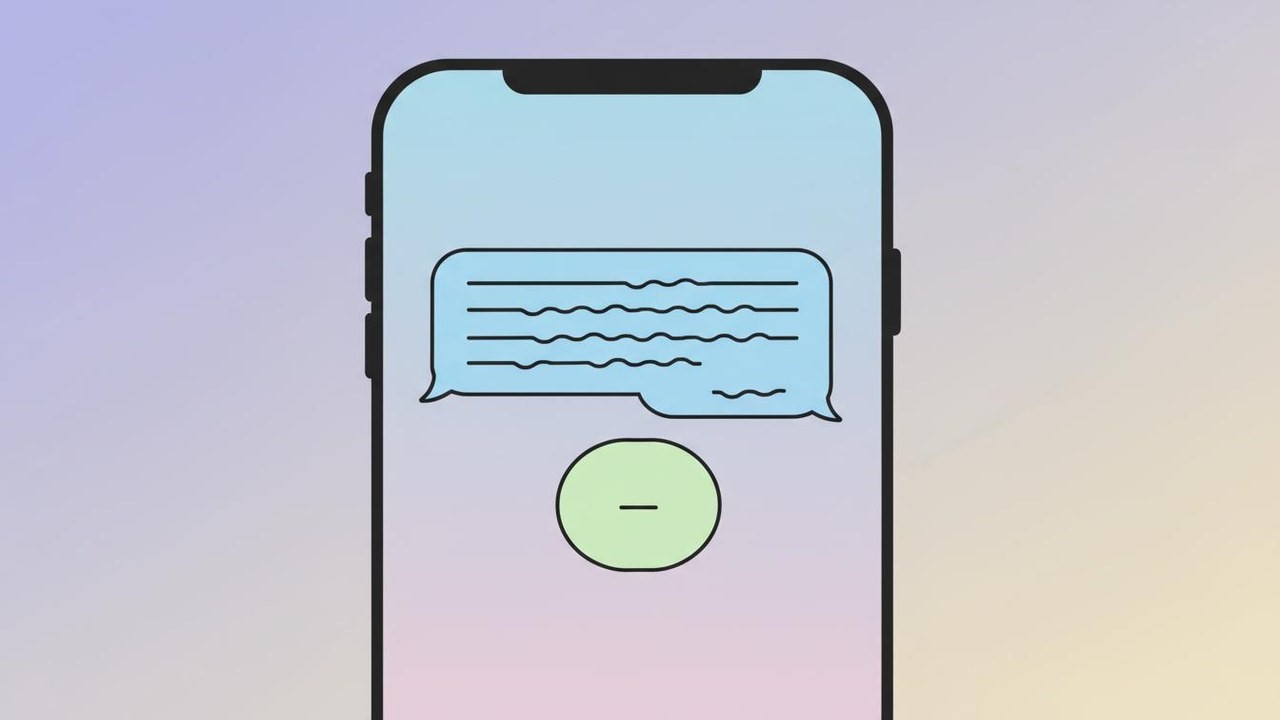
Text Exchange: “Them: ‘what are we?’ / Me: ‘vibing’ / Them: ‘ok but like what ARE we’ / Me: panic”
Tweet: “A situationship is just a relationship with a 30-day free trial that nobody wants to upgrade”
Origin Story
“Situationship” emerged from Black Twitter and AAVE linguistic innovation in the early-to-mid 2010s. The word follows a classic English pattern of combining “situation” with the “-ship” suffix (like relationship, friendship, partnership) to describe a state of being. It first appeared in Urban Dictionary entries around 2014-2015 but didn’t hit mainstream usage until much later.
The term gained serious traction around 2019-2020 when articles in major publications (Cosmopolitan, Mashable, Teen Vogue) started using it to describe the increasingly common dating phenomenon. By 2023, “situationship” had become a recognized cultural concept, spawning countless think pieces about why young people were avoiding commitment.
The COVID-19 pandemic accelerated the trend — lockdowns created intense emotional bonds between people who weren’t necessarily compatible long-term, and the aftermath left many in undefined relationships they didn’t know how to exit. By 2024-2025, “situationship” had moved from internet slang to legitimate relationship psychology terminology, with therapists using it in clinical settings.
In 2026, the word has evolved from a simple descriptor to a recognized relationship category. Dating apps now include “looking for situationship” as an option. Self-help books address how to navigate them. The situationship isn’t just slang anymore — it’s a legitimate relationship structure for a generation that values flexibility over formality.
Cultural Significance
The rise of the situationship reflects several broader cultural shifts. First, it signals Gen Z’s discomfort with traditional relationship structures. Previous generations had clearer courtship rituals: dating → exclusive → engaged → married. That linear path feels increasingly irrelevant to young people who prioritize personal growth, career flexibility, and emotional independence over traditional milestones.
Second, situationships highlight how dating apps have fundamentally changed romantic dynamics. When you have infinite options at your fingertips, committing to one person feels like leaving money on the table. Why define the relationship when you could keep swiping? The paradox of choice creates a culture where people avoid commitment not because they don’t want connection, but because they’re terrified of choosing wrong.
Third, the situationship speaks to a generation’s fear of vulnerability. Actually asking someone to be your partner requires risking rejection. Actually defining the relationship means confronting whether your feelings are reciprocated. The situationship lets you enjoy romantic connection while protecting yourself from the possibility of heartbreak — at least until it inevitably happens anyway.
GEBILAOWANG’s take: situationships are the relationship equivalent of Schrodinger’s cat — you’re simultaneously in a relationship and not in one until someone opens the box by asking “what are we.” The problem is, once you open the box, the situation usually collapses into “nothing.” In 2026, with attachment issues becoming the new personality trait and everyone carrying emotional baggage from previous undefined entanglements, the situationship isn’t going anywhere. My advice? If you’re in one, have the conversation. Yes, it might end things. But spending six months in romantic purgatory waiting for someone to commit who never will? That’s worse. Trust me. The “what are we” talk is terrifying but spending a year of your life on someone who can’t define what you mean to them is more terrifying. Have the talk. Accept the answer. Move on if you need to. Your sanity will thank you.
Related Slang
- Rizz — The ability to attract or charm someone
- Breadcrumbing — Leading someone on with minimal effort
- Situationship red flags — Warning signs that your undefined relationship is toxic
- Catching feelings — Developing romantic emotions unexpectedly
- Talking stage — The initial phase of getting to know someone romantically
- FBO — “Facebook Official,” making a relationship public
Frequently Asked Questions
What exactly is a situationship?
A romantic or sexual connection without labels, commitment, or defined boundaries. You’re doing relationship things — talking daily, spending time together, being intimate — but nobody’s clarified what you are to each other. It’s dating without the conversation that makes it official.
How do I know if I’m in a situationship?
Key signs: you’ve been seeing each other for months but never had “the talk,” they avoid introducing you with labels, you feel anxious about where you stand, and anytime you try to discuss feelings they change the subject or say they’re “not ready for labels.”
Are situationships healthy?
It depends. Some people genuinely prefer flexible arrangements and communicate openly about it. That’s fine. But most situationships involve one person hoping for commitment while the other enjoys the benefits without the accountability. That power imbalance typically leads to hurt feelings. If both people are genuinely on the same page about keeping things casual, it can work. Usually they’re not.
How do I end a situationship?
Be direct. “I’ve realized I want something more defined and committed, and if that’s not what you’re looking for, I need to step back.” Don’t ghost — that’s immature. Don’t slow-fade — that’s cowardly. State your needs clearly. If they can’t meet them, walk away. The closure you give yourself by choosing your own boundaries is more valuable than any closure they’d give you anyway.
Why do people stay in situationships?
Usually because the alternative — being alone or having to start over — feels scarier than ambiguity. Also, undefined relationships let people enjoy emotional and physical intimacy without accountability. It’s comfortable until it’s not. And honestly? Sometimes people stay because they genuinely believe the other person will eventually commit. Spoiler: they usually don’t.
Can a situationship turn into a real relationship?
Sometimes, but not usually. If someone wanted to commit to you, they generally would. The “not ready” excuse often means “not ready for YOU.” That said, some people do have commitment fears that they work through. The key is whether they’re actively working on it or just stringing you along. Actions speak louder than words — if they wanted to, they would.
Pronunciation
/ˌsɪtʃuˈeɪʃənʃɪp/
Sources
- Mashable — “What is a Situationship?” https://mashable.com/article/situationship-meaning
- Teen Vogue — “Situationship Definition” https://www.teenvogue.com/story/situationship-definition
- Cosmopolitan — “Are You in a Situationship?” https://www.cosmopolitan.com/sex-love/a28428751/situationship-meaning/
- Verywell Mind — “Understanding Situationships” https://www.verywellmind.com/what-is-a-situationship-5218444