Usage & Context
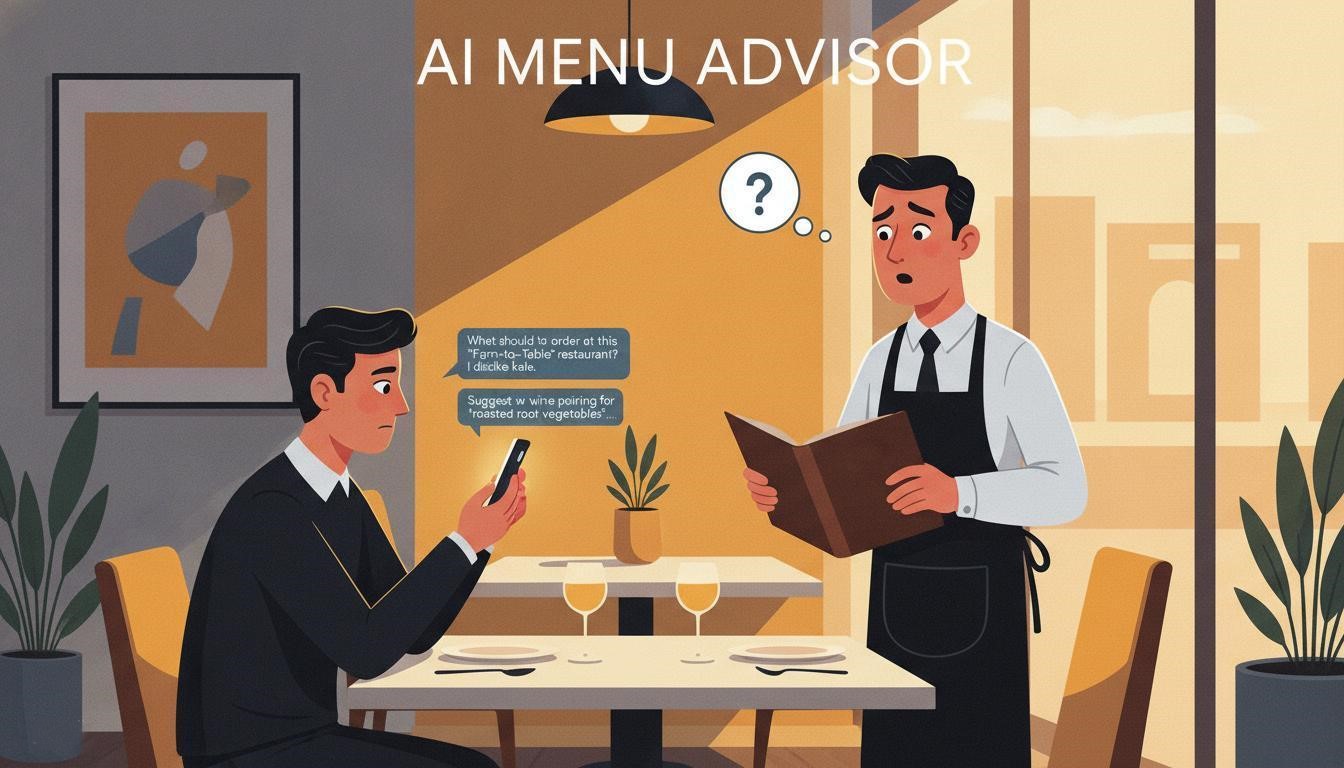
A slopper doesn’t just use ChatGPT — they outsource their entire cognitive life to it. The symptoms are recognizable: instead of looking up a recipe and adapting it, they ask ChatGPT what to cook, then ask it how to cook it, then ask if it’s cooked. Instead of writing a birthday message from the heart, they prompt: “Write a heartfelt birthday message for my mom, warm but not cheesy, 50 words.” Instead of having an opinion on a movie, they ask ChatGPT to summarize reviews and tell them what to think.
On TikTok, “slopper” appears in memes, commentary videos, and self-aware jokes about AI dependency. The term functions as both a light insult among friends and a genuine critique of over-reliance on artificial intelligence. Cambridge Dictionary’s April 2026 entry — defining slopper as “someone who relies too much on AI chatbots to make decisions, find out information, etc.” — transformed internet mockery into recognized vocabulary.
The word carries a subtle insult beyond just AI dependency. “Slop” is low-quality, mass-produced, barely edible. A slopper, by extension, produces slop — low-quality thoughts, decisions, and outputs generated not by human creativity but by machine inference.
Fast Company quote: “If someone is a ‘slopper,’ it means that they have offloaded most of their cognitive processes to ChatGPT.” — August 16, 2025
Origin Story
The term “slopper” emerged on TikTok in early 2026, born from the growing anxiety about AI dependency. Fast Company published one of the earliest notable usages on August 16, 2025, describing the behavior of offloading cognitive processes to ChatGPT. The word spread through tech commentary and meme communities, gradually entering mainstream vocabulary.
On April 20, 2026, the Cambridge Dictionary officially added “slopper” to its lexicon. The formal recognition mattered — before April 2026, “slopper” was a niche insult. After Cambridge weighed in, it became a certified cultural diagnosis. The dictionary cited Fast Company’s article as early evidence, noting the term’s rapid spread across social media.
Cultural Significance
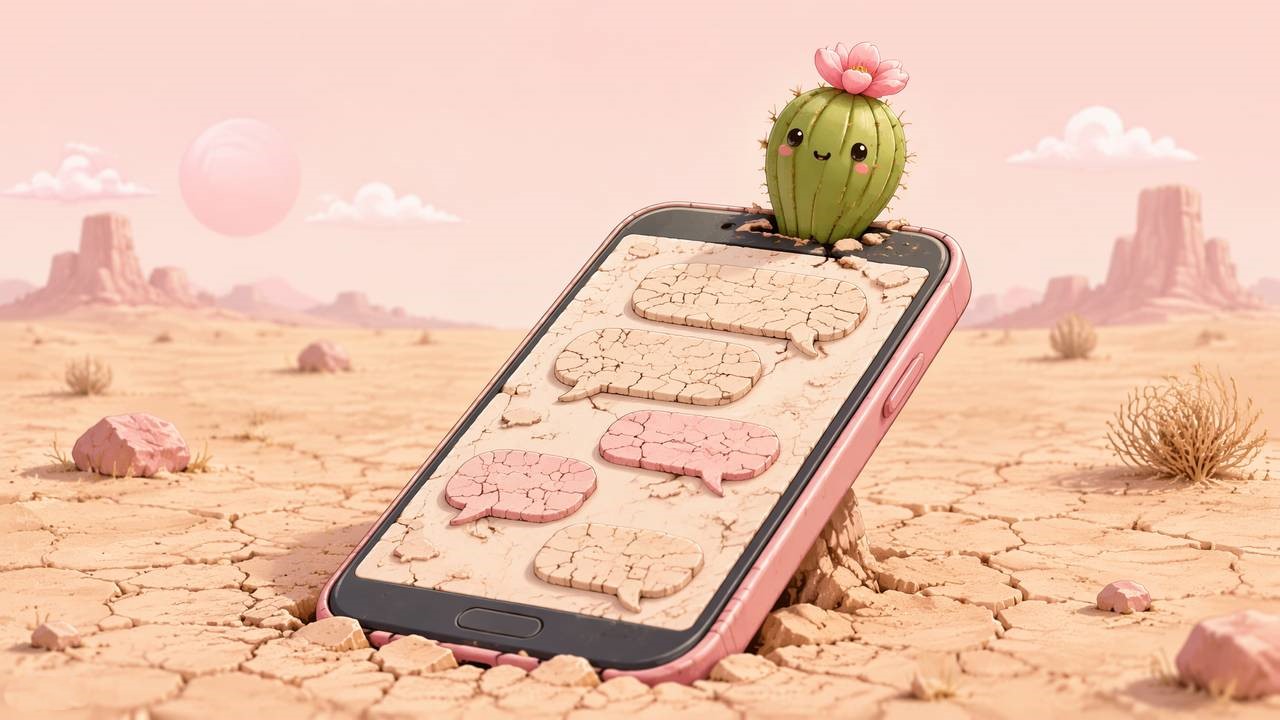
The term’s power comes from its precision. “Lazy” is too vague. “Tech-dependent” is too clinical. “Slopper” captures something specific: the wet, messy quality of a brain that has been gradually turned to mush by constant AI offloading. It’s not an accusation of using technology — it’s an accusation of misusing it, of surrendering judgment to an algorithm.
GEBILAOWANG’s take: Cambridge validating “slopper” is a milestone moment. It means the anxiety about AI dependency has moved from internet discourse into formal language. The word will outlast most 2026 slang because it names a real, growing behavior pattern. As AI becomes more integrated into daily life, the line between “using AI as a tool” and “being a slopper” will become one of the defining ethical questions of the decade.
Related Slang
- “Touch grass” — advice to disconnect from technology and engage with the real world
- Brain rot — cognitive decline from excessive consumption of low-quality digital content
- Goblin mode — unapologetically prioritizing one’s own comfort over productivity
- Scroll hole — losing time to endless social media scrolling
- AI slop — low-quality, mass-produced AI-generated content
Frequently Asked Questions
Are you a slopper if you use ChatGPT sometimes?
No. A slopper doesn’t use AI as a tool — they use it as a replacement for thinking. The difference is frequency and dependency. Using AI to draft an email is fine; using AI to decide what you think about a movie is slopper behavior.
Is “slopper” offensive?
It’s mockery, not a slur. Use it for light teasing among friends, not for genuine shaming. The term describes a behavior pattern, not a fundamental character trait — people can stop being sloppers by becoming more conscious of their AI usage.
How do you explain “slopper” to someone out of the loop?
“It’s someone who asks AI to do their thinking for them, like using a calculator for 2+2. They don’t just use AI as a tool — they outsource their entire cognitive life to it.”
Pronunciation
/ˈslɒpər/
Sources
- Cambridge Dictionary — “Slopper” entry (April 2026) https://dictionaryblog.cambridge.org/2026/04/20/new-words-20-april-2026/
- Fast Company — Original usage article https://www.fastcompany.com/