Usage & Context
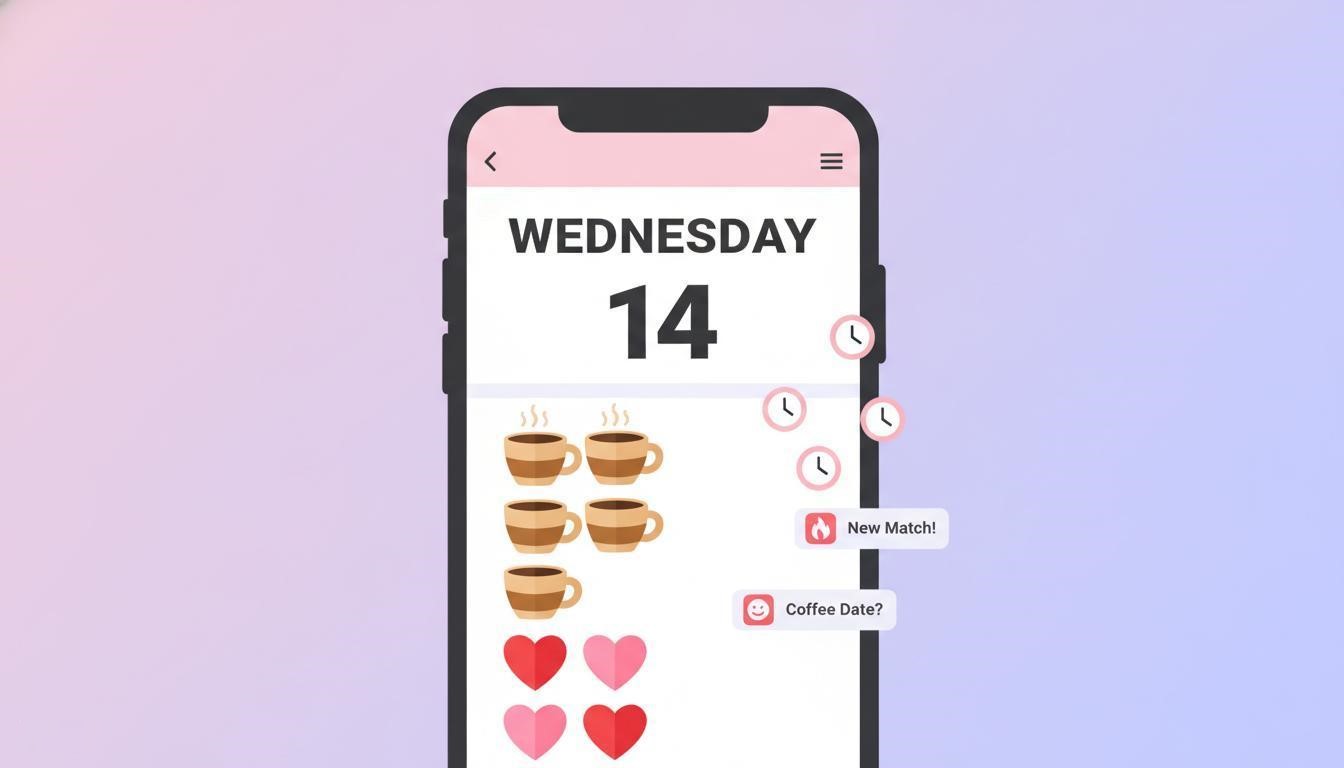
“Stack dating” is a TikTok trend where singles schedule multiple dates back-to-back in a single day to maximize efficiency. The practice treats dating as an optimizable activity — a coffee meetup at 2 PM, a gym session date at 4 PM, and dinner with someone else at 7 PM. On TikTok, the term appears in storytime videos, dating advice content, and memes about the chaos of managing multiple dates in one day.
The trend acknowledges a reality of modern dating: people are busy, and dating apps provide an abundance of options that would be impractical to explore one at a time. But it also raises questions about whether treating dates as calendar appointments prevents the organic unfolding that genuine relationships require.
Admitting you’re stack dating can hurt someone’s feelings — it implies you’re treating your time with them as one of several transactions. If you’re going to stack dates, it’s generally better not to advertise it to the people you’re dating.
TikTok Caption: “POV: You’re stack dating and accidentally run into date #1 while you’re on date #2 at the same coffee shop.”
Group Chat: “Friend: How was your weekend? / Me: Productive. Stacked three dates on Saturday. One was great, one was mid, one asked me about my zodiac sign within five minutes / Friend: That’s actually impressive time management.”
Twitter/X Post: “Stack dating is just job interviewing for a relationship and I don’t know if that’s genius or deeply sad.”
Origin Story
The concept of stack dating isn’t entirely new — speed dating events have existed for decades. But the TikTok-era version emerged around 2023 when creators began sharing stories of squeezing multiple dates into a single day. The term “stack dating” crystallized the behavior into a recognizable trend.
As Men’s Health reported in November 2025, one TikToker shared how he had a date scheduled and then met someone at the gym, pushing up the first date to squeeze in a drink with the gym connection afterward. Another viral story featured a podcast host whose friend scheduled a 7 PM date and an 8:30 PM date on the same night — and ended up marrying the 8:30 person. Tinder’s 2023 Future of Dating report revealed that 32% of Gen Z had gone on a date during their workday, suggesting the trend was already brewing. Clinical psychologist Shahrzad Jalali told Men’s Health that stack dating “treats dating as something to optimize” and compresses the emotional space where curiosity and connection naturally unfold.
Cultural Significance
The trend captures a central tension in modern dating: efficiency versus authenticity. GEBILAOWANG’s take: what’s fascinating about stack dating is how it reveals Gen Z’s relationship with time and optimization. This is a generation that grew up with productivity apps, time-blocking calendars, and hustle culture. Applying that same framework to romance feels natural to them — even if psychologists warn that genuine relationships require unstructured time to develop.
The debate around stack dating isn’t really about dating; it’s about whether efficiency and emotional intimacy are compatible. As dating apps continue to dominate how people meet, stack dating may evolve from a novel trend into a normalized practice that no longer needs a special name.
Related Slang
- Situationship — an undefined romantic relationship; stack dating can create many of these simultaneously
- Ghosting — suddenly ceasing communication; easier to do when you’re stack dating
- Swipe fatigue — exhaustion from dating apps; stack dating is one response to this overload
- Monkey-barring — securing a new relationship before ending the current one; a more extreme form of dating optimization
- Rizz — charisma; harder to demonstrate when you’re treating dates as calendar blocks
Frequently Asked Questions
What is “stack dating” most similar to?
“Stack dating” is closest to “speed dating,” but it’s more informal and app-driven. Speed dating is a structured event; stack dating is self-organized through dating apps. It’s also different from “casual dating” because the defining feature is the deliberate back-to-back scheduling — treating dates as stacked calendar blocks rather than individual experiences.
Can “stack dating” accidentally offend someone?
Admitting you’re stack dating can hurt someone’s feelings — it implies you’re treating your time with them as one of several transactions. The term also risks making dating feel even more transactional and exhausting than it already is, contributing to dating app burnout.
Is “stack dating” here to stay?
“Stack dating” has strong staying power because it describes a behavior pattern that’s likely to persist as long as dating apps exist. GEBILAOWANG predicts it will remain in active use through 2027, though it may evolve from a novel trend into a normalized practice that no longer needs a special name.
How do you explain “stack dating” to a beginner?
“It’s when you schedule multiple dates in one day, back-to-back, like stacking meetings on your calendar. Gen Z does it to be efficient, but some people think it prevents real connections from forming.”
Pronunciation
/stæk ˈdeɪtɪŋ/
Sources
- Men’s Health — What Is Stack Dating? The TikTok Trend, Explained https://www.menshealth.com/sex-women/a69138475/what-is-stack-dating/
- Psychology Today — The Pros and Cons of the “Stack Dating” Trend https://www.psychologytoday.com/sg/blog/a-funny-bone-to-pick/202604/the-pros-and-cons-of-the-stack-dating-trend