Usage & Context
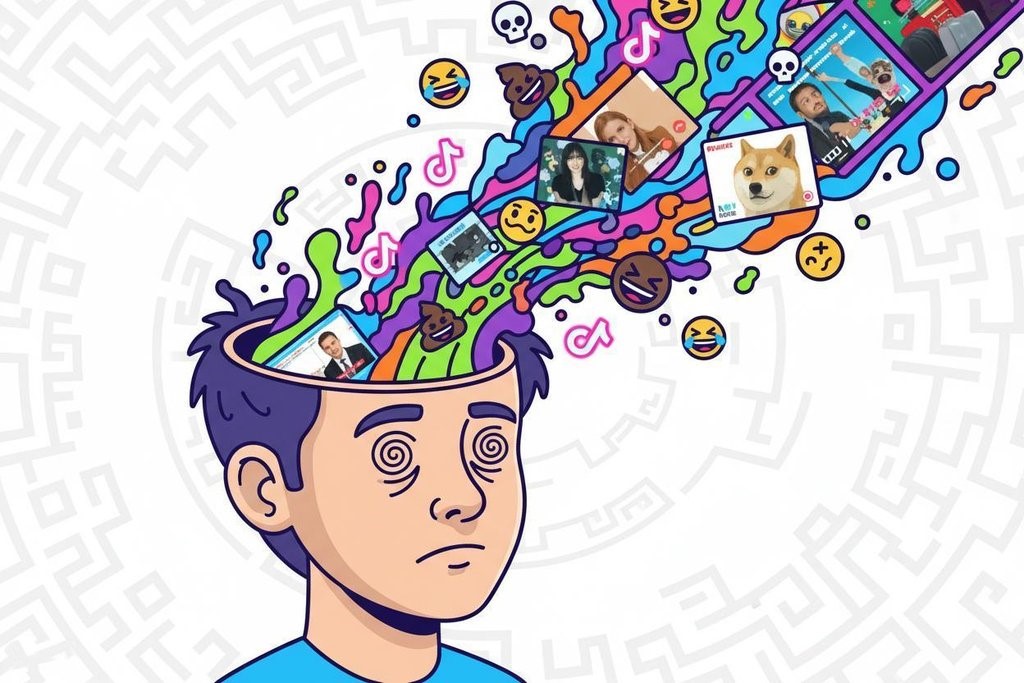
“That’s AI” is a slang phrase used to express distrust or skepticism when suspecting something presented as real is actually AI-generated. The phrase emerged organically in late 2024 and early 2025 as AI-generated images, videos, and text flooded social media. Users needed a quick, efficient way to flag suspected AI content without writing paragraphs. “That’s AI” filled that gap — two words that instantly communicated both suspicion and the specific nature of the doubt.
What makes the phrase powerful is its precision. Unlike “fake” (which could mean anything) or “photoshopped” (which dates the speaker), “that’s AI” names the exact technology creating the deception. It’s suspicion with a technical vocabulary upgrade.
By mid-2026, the phrase had evolved beyond literal AI detection. Anything that looks too polished, too perfect, or too convenient can earn a dismissive “that’s AI.” A friend shows you their impeccably organized closet? “That’s AI.” Someone describes an unrealistically good first date? “That’s AI.” The phrase has become a metacommentary on the inauthenticity of modern life.
On TikTok, “that’s AI” appears in comments, stitches, and dedicated videos analyzing suspected AI content. The phrase is most commonly deployed against flawless influencer photos with no skin texture, viral animal videos with unnatural movements, overly perfect romantic apologies, and suspiciously polished job applications.
Origin Story
On January 9, 2026, the American Dialect Society convened in New Orleans for its 36th annual words-of-the-year vote. More than 300 linguists, lexicographers, and language scholars gathered to deliberate on which words best captured the cultural moment. When the votes were tallied for “Most Useful Word,” “that’s AI” stood head and shoulders above the rest with 104 votes, overwhelmingly beating runners-up “rage-bait” (51 votes), “clock” (28 votes), and “rot” (26 votes).
The ADS defined it formally: “a statement of distrust when determining that something presented as real (as an image) is in fact AI-generated.” But by mid-2026, the phrase had already outgrown that narrow definition, expanding to encompass any suspiciously perfect or convenient content.
Cultural Significance
Deepfakes, AI-generated influencers, synthetic voices, and ChatGPT-written articles have created a world where nothing can be taken at face value. “That’s AI” isn’t just a technical observation — it’s an existential sigh, shorthand for “I no longer believe anything I see online.”
GEBILAOWANG’s take: this phrase has serious staying power because the problem it names isn’t going away. As AI generation gets better, the suspicion will only deepen. The risk is overuse — when everything is “AI,” the phrase loses its diagnostic power. But for now, it serves as an essential tool for navigating an increasingly synthetic digital landscape.
The phrase also represents a broader cultural shift in how people process information. In a pre-AI world, “seeing is believing.” In 2026, seeing is suspecting. “That’s AI” captures that epistemological crisis in two words.
Related Slang
- “Slopper” — someone who relies too heavily on AI to do their thinking
- “Deepfake” — AI-generated video that replaces one person’s face with another
- “AI slop” — low-quality, mass-produced AI-generated content
- “Filtered” — using beauty filters; the pre-AI version of artificial enhancement
- “Cap” / “No cap” — lying / not lying; overlaps with “that’s AI” in calling out inauthenticity
Frequently Asked Questions
What older expression is “that’s AI” most similar to?
It’s the 2026 version of “fake news” or “photoshopped,” but more specific. “Fake news” targets information; “that’s AI” targets the medium itself. “Photoshopped” implies human editing; “that’s AI” implies algorithmic generation.
Where should you avoid using “that’s AI”?
Don’t dismiss genuine creative work by human artists who use digital tools. Also avoid using it as a lazy way to avoid engaging with content you simply don’t like. The phrase should flag actual AI suspicion, not function as a generic dismissal.
Is “that’s AI” still relevant?
Still sharp as of mid-2026. GEBILAOWANG predicts it’ll remain relevant through 2027 but may evolve into “AI” as a standalone adjective (“that’s so AI”). The phrase’s longevity depends on whether AI generation continues to improve and proliferate.
Pronunciation
/ðæts ˈeɪ ˈaɪ/
Sources
- American Dialect Society — 2025 Words of the Year https://americandialect.org/woty/
- NPR “That’s What They Say” Podcast — ADS 2025 WOTY Coverage https://www.michiganpublic.org/podcast/thats-what-they-say/