Usage & Context
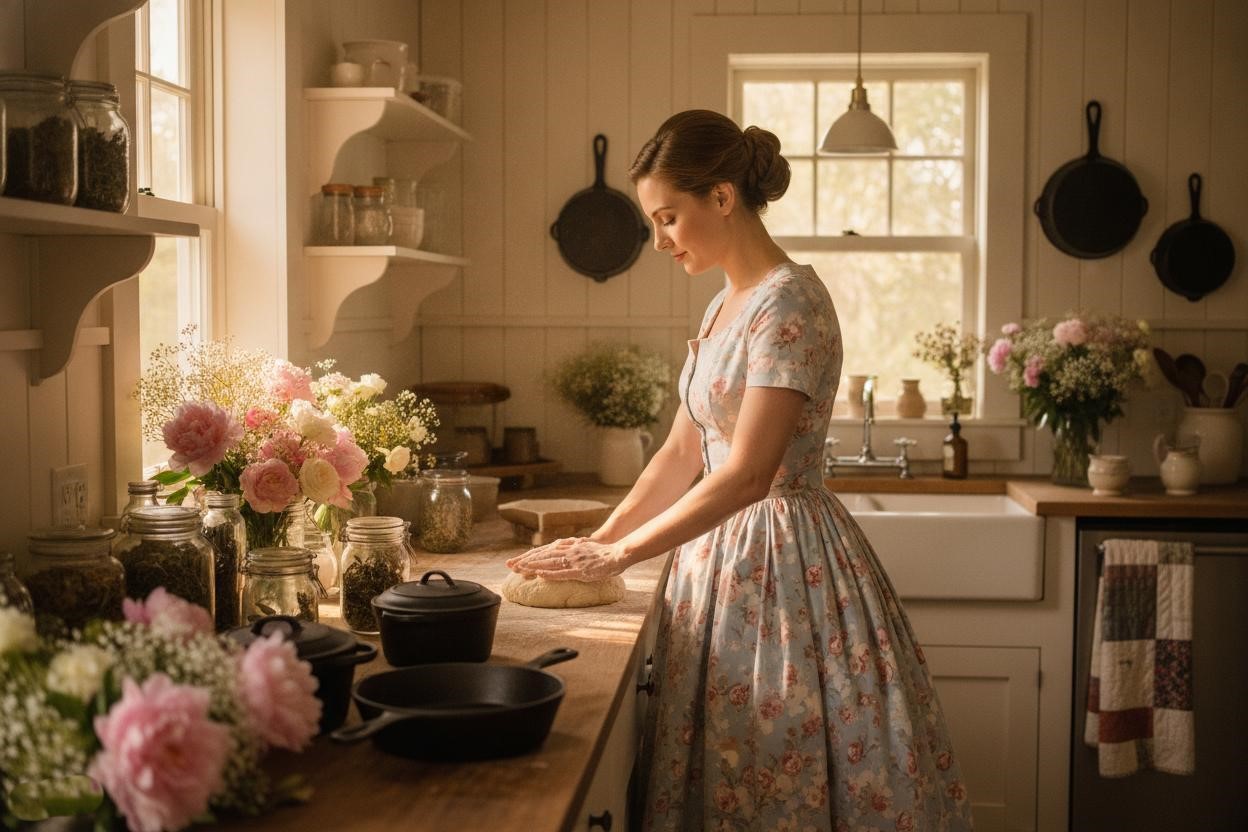
“Tradwife” is short for “traditional wife,” describing a woman who embraces conventional gender roles as a homemaker. Added to both Cambridge and Oxford English Dictionaries in 2025, the term went viral on TikTok through influencers showcasing 1950s-inspired domestic lifestyles — pastel dresses, from-scratch cooking, and submissive marriage dynamics. By mid-2026, search data shows the trend is beginning to decline.
On TikTok, “tradwife” appears in lifestyle content, commentary videos, and political discourse. The aesthetic exploded across the platform, drawing both devoted followers and fierce critics. Unlike earlier “stay-at-home mom” discourse, “tradwife” is performative and aesthetic-driven, designed specifically for social media consumption. The term bundles together multiple loaded concepts — domesticity, submission, nostalgia, and anti-feminism — into a single, visually striking package.
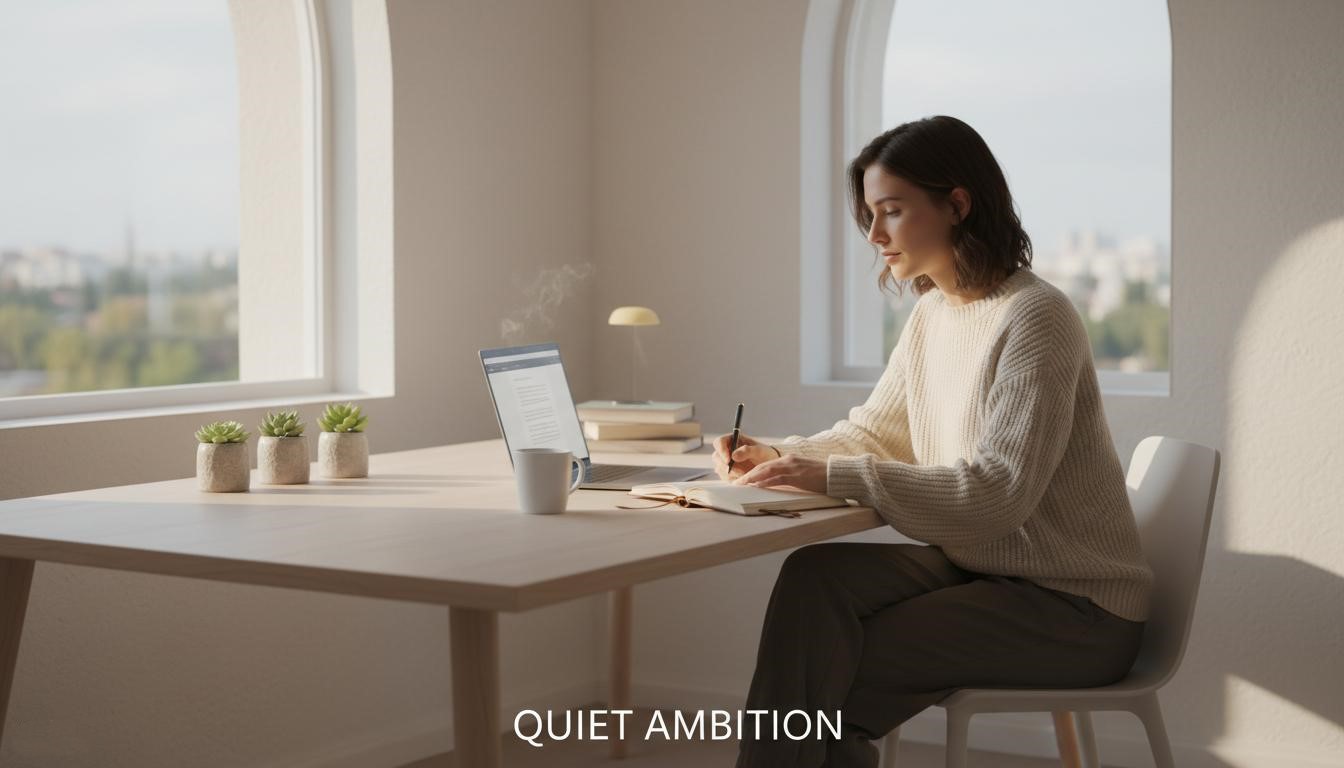
The trend’s 2026 decline suggests audiences are tiring of the performance, recognizing that behind the carefully curated content lies a monetization strategy rather than an authentic lifestyle choice. Counter-aesthetics like “corporate girlie” and “office siren” are consolidating as successor trends.
TikTok Comment: “The tradwife aesthetic looks peaceful until you realize she’s filming, editing, and managing a brand empire while ‘just being a homemaker.’”
Group Chat: “Friend: Did you see that tradwife recipe video? / Me: The sourdough looked amazing but the gender politics made me lose my appetite / Friend: Same, I just mute the audio and watch the cooking.”
Twitter/X Post: “Tradwife fatigue is real. In 2024 it felt like a cozy alternative to hustle culture. In 2026 it feels like watching the same episode of a show you’ve already seen ten times.”
Origin Story
The term “tradwife” emerged around 2018 from anti-feminist online communities, particularly a Reddit forum called “Red Pill Women.” The term gained mainstream traction in 2024 when Hannah Neeleman (@BallerinaFarm), a Utah mother of eight, went viral for her farm-life content, amassing over 9 million followers.
On August 18, 2025, Cambridge Dictionary officially added “tradwife” to its lexicon as part of a massive 6,212-word update. The Oxford English Dictionary followed suit in March 2026. The trend exploded across TikTok and Instagram, drawing both devoted followers and fierce critics. By mid-2026, however, Thicket data revealed that search volume for “tradwife” dropped 34% in April 2026, while Hannah Neeleman’s engagement compressed roughly 28% year-over-year.
Cultural Significance
GEBILAOWANG’s take: what makes “tradwife” fascinating is how it weaponizes nostalgia. The 1950s aesthetic it references never actually existed as portrayed — it erases the economic privilege, racial homogeneity, and social constraints of that era. The trend’s 2026 decline suggests audiences are recognizing that behind the carefully curated content lies a monetization strategy rather than an authentic lifestyle choice.
The term also represents a broader cultural tension between progressive and traditional values. For some, “tradwife” offers an escape from hustle culture and a return to simpler domestic pleasures. For others, it represents a dangerous regression in gender equality. This polarization is precisely what made the trend so viral — controversy drives engagement.
Related Slang
- “Corporate girlie” — the counter-aesthetic emphasizing career and professional ambition
- “Office siren” — another successor trend celebrating workplace femininity
- “That girl” — the performative wellness aesthetic that preceded tradwife
- “Delulu” — sometimes used ironically in tradwife discourse
- “Normalize” — used by both supporters and critics of the trend
Frequently Asked Questions
What older expression is “tradwife” most similar to?
“Tradwife” is closest to “stay-at-home mom” or “homemaker,” but it’s fundamentally different because it’s an aesthetic and ideological identity, not just a domestic arrangement. “Stay-at-home mom” describes a practical choice; “tradwife” describes a performative persona. The term also carries social media nativity — it exists because of TikTok and Instagram.
Can “tradwife” accidentally offend someone?
Absolutely. Calling someone a “tradwife” can be an insult or a compliment depending on context and the person’s own values. The trend has also been linked to far-right ideologies in some contexts, making it potentially politically charged. The safest approach is to avoid labeling others with the term unless they’ve self-identified.
Is “tradwife” still fresh or fading?
As of mid-2026, “tradwife” is in decline. Cambridge’s August 2025 dictionary entry marked its mainstream peak, and April 2026 data shows significant search and engagement compression. GEBILAOWANG predicts the term will persist as vocabulary but the aesthetic trend will continue fading.
How do you explain “tradwife” to someone out of the loop?
“It’s a TikTok trend where women embrace traditional 1950s-style homemaking roles — cooking from scratch, wearing vintage dresses, and promoting submissive marriage dynamics. It went viral through influencers but is now declining as audiences move on to new aesthetics.”
Pronunciation
/ˈtrædˌwaɪf/
Sources
- People Magazine — What Is a Tradwife? https://people.com/what-is-a-tradwife-8684651
- Cambridge Dictionary — Cambridge Dictionary adds “tradwife” https://www.cambridge.org/news-and-insights/cambridge-dictionary-adds-skibidi-delulu-and-tradwife