Usage & Context
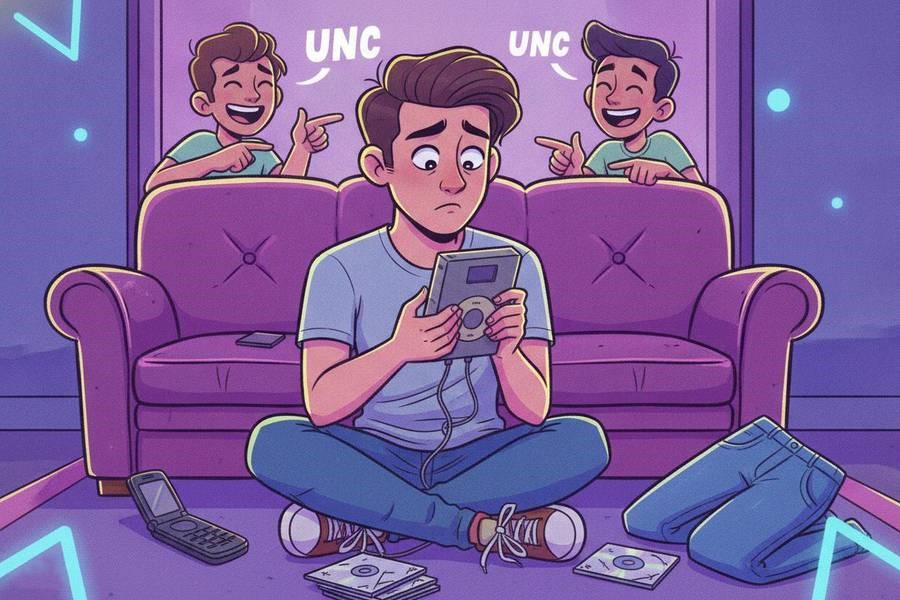
On TikTok, calling someone “unc” is basically the digital equivalent of pointing and laughing at your friend for saying “back in my day.” You’ll see it everywhere in comment sections — someone posts about going to bed at 9pm, the replies flood with “okay unc 💀” Someone references Vine instead of TikTok? Instant unc status. It’s the go-to roast for anyone acting even slightly out of touch with what’s current.
The wild thing about “unc” is that it’s not actually about age. A 19-year-old can absolutely be unc. It’s about energy. Wearing skinny jeans in 2026? Unc. Using the word “lit” unironically? Unc. Not knowing what “Ohio” means? Peak unc behavior. The fashion signals are the most obvious — skinny jeans, side parts, cheugy graphic tees, basically anything that was peak 2015-2018 gets flagged. But it’s behavioral too. Giving long unsolicited advice speeches? Unc. Complaining about “kids these days” when you are the kid these days? Maximum unc.
Between friends, “unc” lands as playful teasing — almost affectionate. But in public comment threads or quote tweets, it can hit harder, carrying that same energy as “OK boomer” but aimed at your own generation. You can self-deprecate with it too — posting “just realized I’ve been wearing the same hoodie for three days, unc status unlocked” gets way more engagement than you’d expect.
What’s interesting is how the bar keeps shifting. Something that was completely normal in 2024 can become unc by 2026 because the culture moved that fast. Most people just embrace it ironically instead — leaning into the unc label as a personality trait rather than fighting it.
TikTok Comment: “Bro said ’that’s fire’ in 2026… unc status achieved 😭”
Group Chat: “Tyler: Anyone wanna go to the mall? / Jess: It’s 7pm on a Tuesday, unc behavior / Tyler: 💀 okay fair”
Twitter/X Post: “Just saw someone with a side part and skinny jeans. Unc alert in downtown bro.”
Origin Story
The slang version of “unc” grew out of early 2020s meme culture, where screenshots of people wearing outdated outfits or giving old-school advice started getting captioned with “unc vibes.” But the real explosion happened on TikTok in 2025. Creators began posting skits where they’d act out scenarios of “being unc at 22” — forgetting what sound was trending, not understanding a joke format, referencing old memes. These videos racked up millions of views because they hit this perfect mix of relatable and cringe.
By late 2025, the term had solidified into the culture. Hashtags like #UncStatus and #UncVibes started trending regularly. The participatory nature of it (anyone can assign unc status to anyone) made it spread faster than more niche slang terms. What pushed it fully mainstream was the cross-generational drama — when Gen Z started actively roasting Millennials for unc behavior, it created a whole content genre of reaction videos and debate threads. By mid-2026, “unc” had become one of those rare slang words that everyone understood even if they didn’t actively use it.
Cultural Significance
“Unc” represents something bigger than just a slang insult. It’s Gen Z’s way of processing how fast culture moves now. When your reference points can go from viral to cringe in under a year, you need language to describe that whiplash. “Unc” fills that gap. It’s not just calling someone old — it’s acknowledging that staying culturally current has become a genuine social pressure.
The term also carries real AAVE roots. In Black communities, “unc” has long been a respectful way to refer to an older male figure — someone who provides guidance and wisdom. The TikTok version flips that into humor, but the DNA is still there. This pattern of AAVE terms entering mainstream internet culture is nothing new, but “unc” is a particularly clear example because both meanings coexist simultaneously depending on who’s using it and in what context.
GEBILAOWANG’s take: the real insight is that “unc” isn’t actually about age at all — it’s about cultural participation. Someone who’s 30 but deeply embedded in TikTok culture won’t get called unc nearly as much as a 22-year-old who checked out of trend-following two years ago. In 2026, cultural fluency matters more than birth year, and “unc” is the vocabulary we use to enforce that hierarchy.
Related Slang
- “OK boomer” — the generational predecessor; aimed at older generations rather than peers
- “Cheugy” — describes outdated millennial aesthetics; overlaps with unc
- “Out of pocket” — unpredictable behavior; sometimes paired with unc
- “Rizz” — charisma; having rizz is the opposite of being unc
- “Ohio” — not knowing what “Ohio” means is peak unc behavior
Frequently Asked Questions
What does “unc” mean on TikTok?
“Unc” is short for “uncle” and describes someone acting older than their age, giving outdated vibes, or behaving out of touch with current trends. It’s used as both playful teasing and generational commentary.
Is being called “unc” offensive?
Usually not. Between friends it’s almost always playful teasing. In public comment threads it can feel more judgmental, like “OK boomer” aimed at your own generation. Context and tone determine whether it’s read as a joke or an insult.
Can you be “unc” at any age?
Absolutely. It’s not about actual age — it’s about cultural energy. A 19-year-old wearing skinny jeans and referencing Vine is way more unc than a 30-year-old who stays current with TikTok trends.
Where did “unc” come from?
The slang version evolved from AAVE, where “unc” has long been a respectful term for an older male figure. The TikTok roasting version emerged in the early 2020s and went fully viral in 2025.
How do you avoid being “unc”?
Honestly? Don’t stress too much about it. Trends move so fast that trying to stay ahead of everything is exhausting. Most people just embrace it ironically — leaning into the unc label as a personality trait rather than fighting it.
Pronunciation
/ʌŋk/
Sources
- Slang Insights — Unc Slang Meaning Explained (TikTok & Text) 2026 https://slanginsights.com/unc-slang/
- Text Meanings — Unc Meaning Slang: The Ultimate Guide to This Viral 2026 Term https://textmeanings.com/unc-meaning-slang/
- English Colege — UNC Meaning Slang in 2026 https://englishcolege.com/unc-meaning-slang-in-2026/